
Since 2022, SOS Cash&Value cash-in-transit teams have moved beyond the traditional bulletproof vest. Today, they wear smart gear packed with cutting-edge technology. They carry a real concentrate of intelligence.
Developed by Wearin’ to support operations across Switzerland, each mission is monitored in real time by the alarm center. It receives physiological and situational data from connected vests, enabling immediate detection of anomalies in the field.
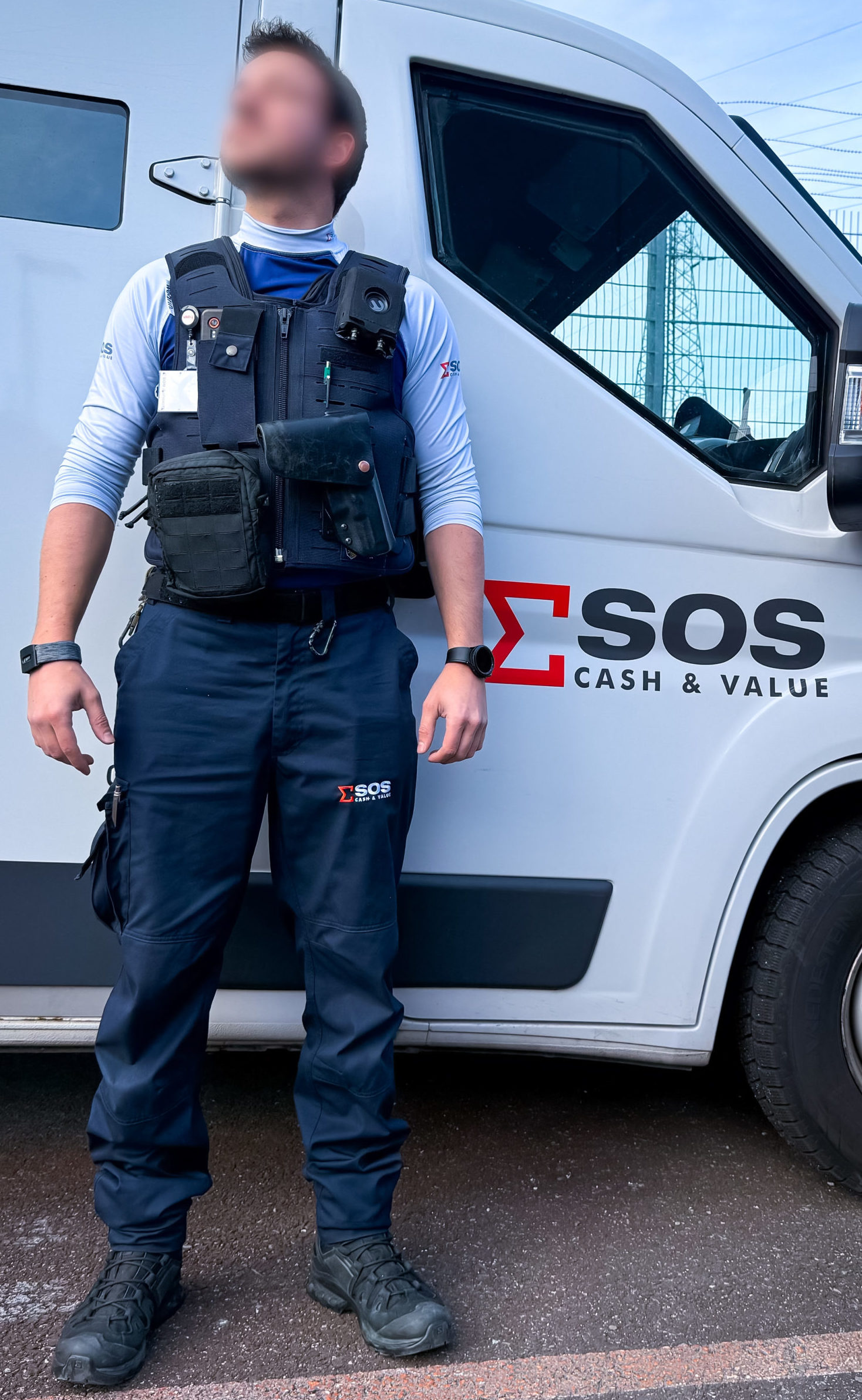 A SOS Cash&Value transporter equipped with the Wearin’ solution, designed to enhance mission safety and improve situational awareness.
In 2025, SOS Cash&Value takes a major leap forward with the deployment of the latest Wearin’ solution, offering even greater control over teams and equipment.
The Wearin’ platform optimizes agent assignments, monitors vehicle routes, anticipates risks, and coordinates interventions with enhanced responsiveness.
The SOS Surveillance control center – a sister company within the SOS Group – has evolved into a true supervision hub. It now manages not only its own agents’ risk situations but also those of two other Wearin’ customers in Switzerland, operating in the rail and construction sectors.
Operators manage alerts such as “man down,” abnormal stress levels, and unusual vehicle stops or routes, all through a unified interface that ensures consistent safety and confidentiality standards.
For SOS Cash&Value’s cash-in-transit teams, the impact is tangible. Integrated sensors in vests and vehicles, powered by Wearin’ algorithms, continuously detect threats, incidents, falls, or suspicious behavior, and automatically trigger the right response.
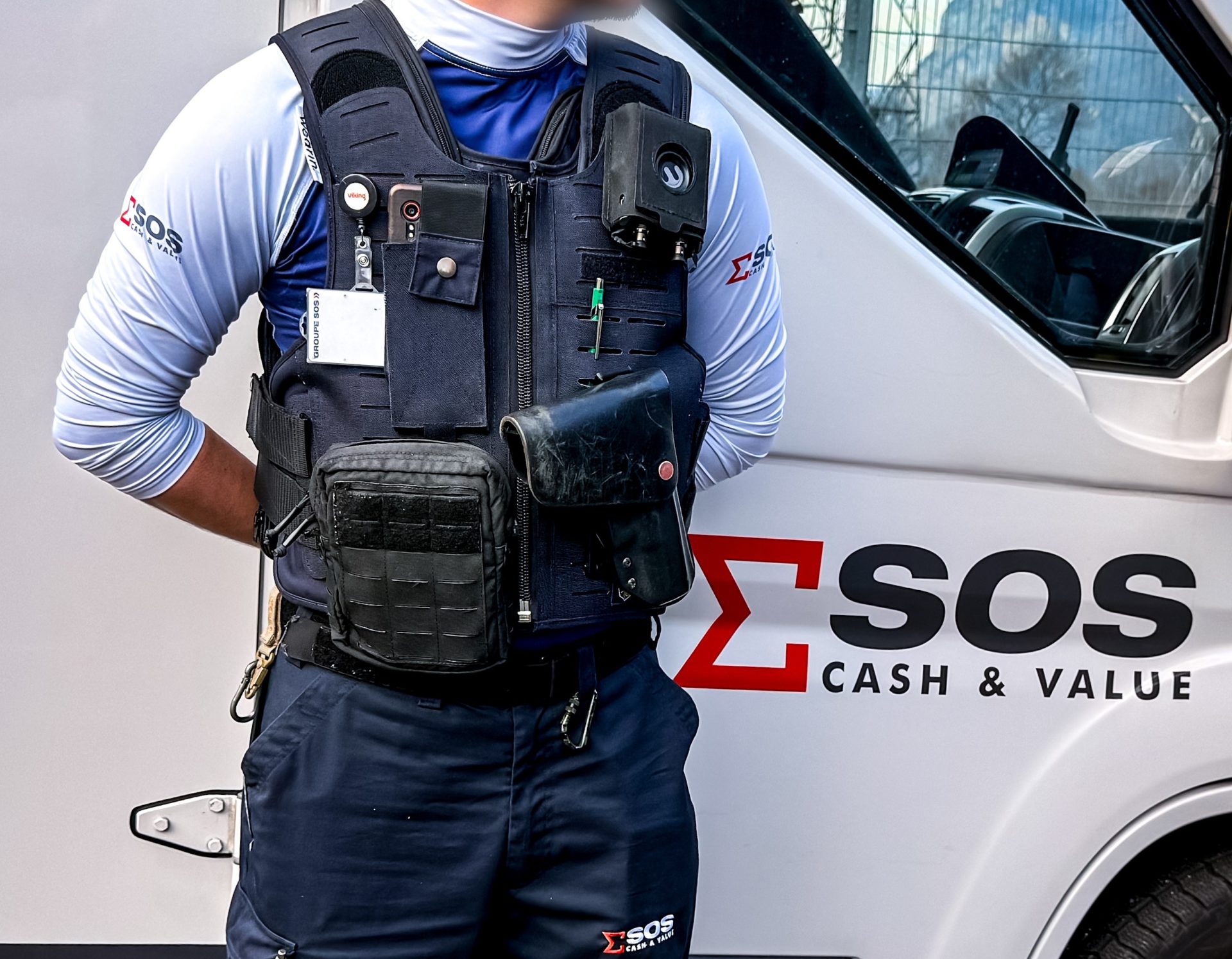 Real-time monitoring enhances transporters' safety during operations.
Predictive analytics identifies high-risk areas and adapts routes, ensuring every mission is safer, better prepared, and more efficiently managed.
For Wearin’, this long-term collaboration with the SOS Group is more than a case study, it’s a real-world innovation lab. It demonstrates how IoT and AI can revolutionize team safety and set new standards for cash transport in Switzerland.
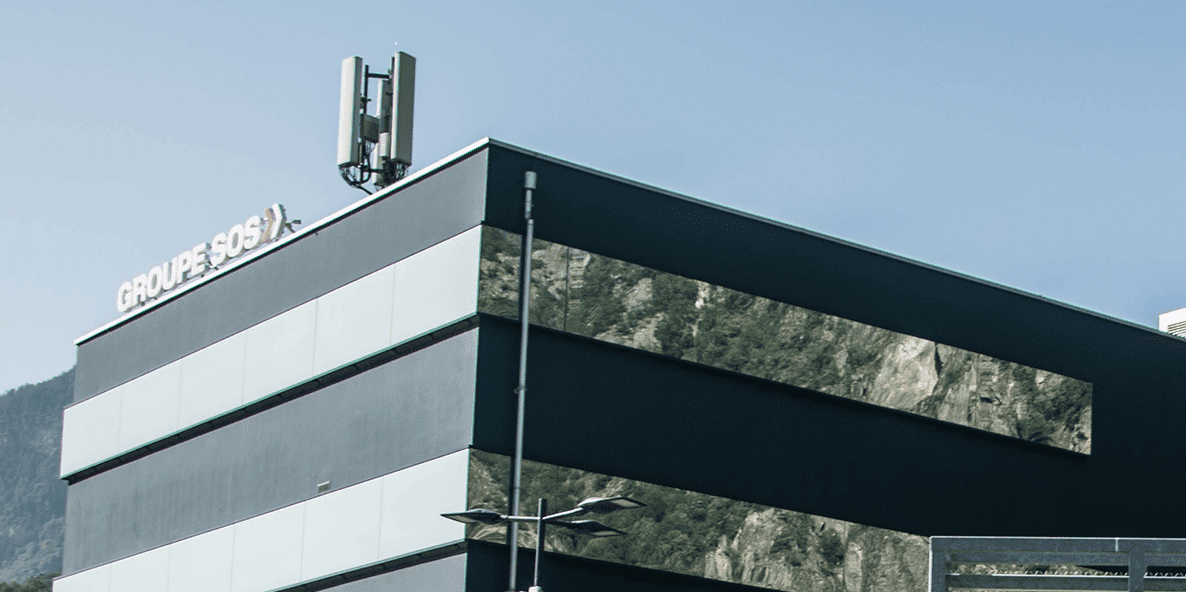 SOS Group headquarters in Switzerland supporting security and cash-in-transit operations.
The European SYNERGISE project, in which the Vaud-based startup Wearin’ is participating as the only Swiss company, is now entering a new phase in Wangen an der Aare (BE) with its fourth field test.
This research and innovation program aims to develop and evaluate cutting-edge technologies designed to enhance the safety, efficiency, and coordination of first responders in crisis situations while improving the ability to locate and assist missing persons.
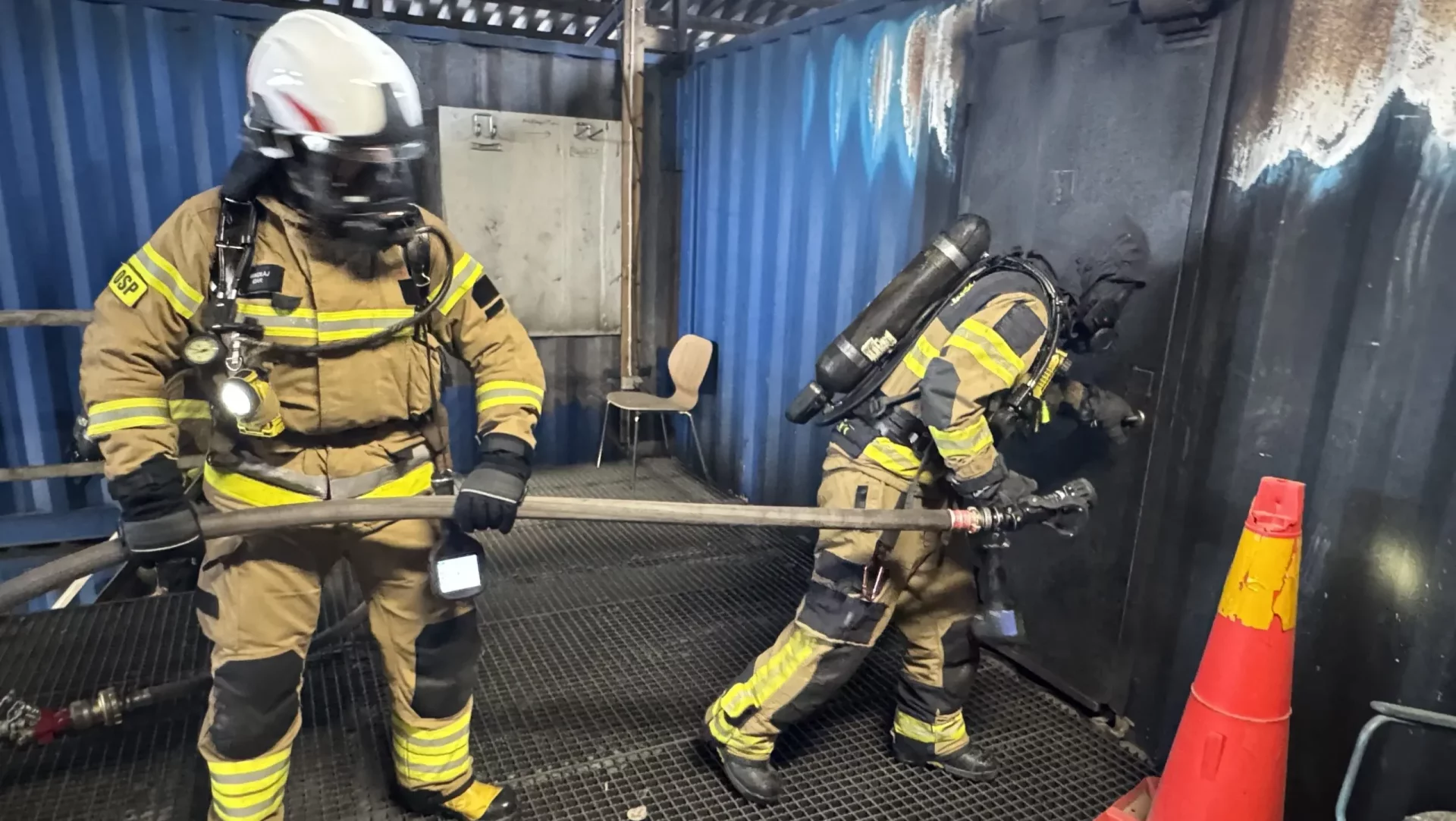 Wearin’ supports the SYNERGISE field test in Wangen, enhancing coordination and safety for first responders
Wearin’, a technology startup belonging to the Conextivity Group, is the only Swiss private company involved in this event. This participation highlights Switzerland’s leading role in innovation applied to emergency management and illustrates the ability of a single local player to make an impact on the international stage.
The test in Wangen an der Aare brings together sixteen organizations from eleven countries, working on solutions that combine robots, drones, sensors, geolocation devices, and smart wearable technologies. In this context, Wearin’ is presenting its IoT (Internet of Things) platform, which collects and transmits critical data from sensors worn by humans in real time, in order to improve situational awareness and coordination among teams in the field.
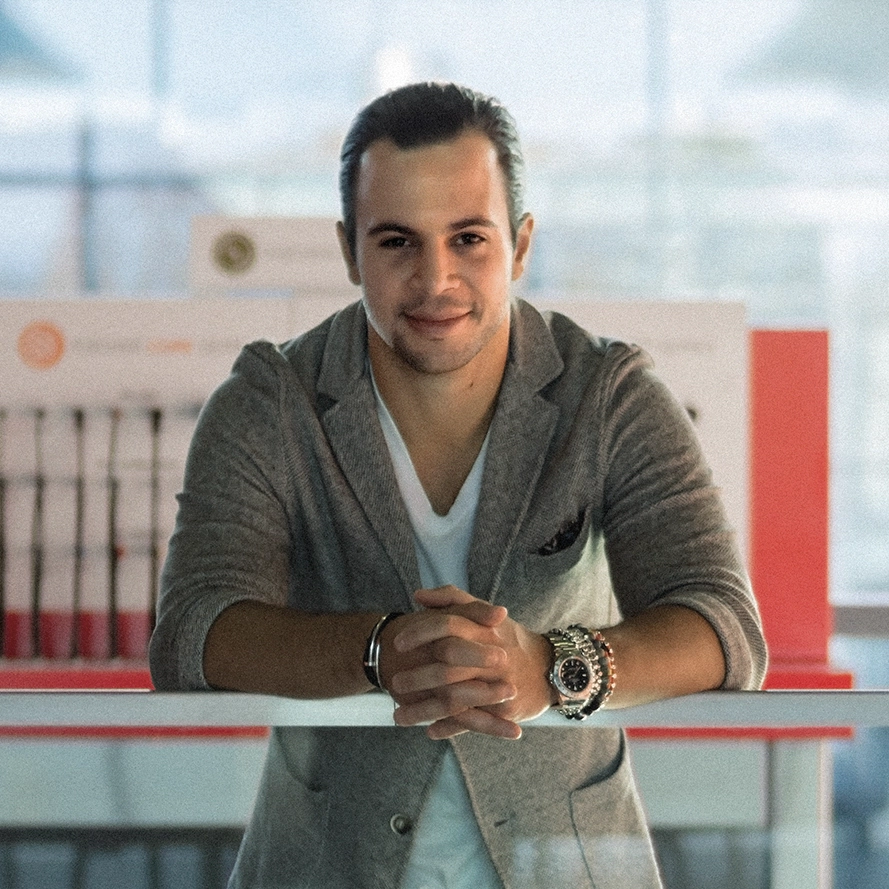 Jonathan Brossard, CEO of Conextivity Group
“We are proud to represent Switzerland in such a large-scale European project, which demonstrates the added value of connected technology for first responders,” says Jonathan Brossard, CEO of the Conextivity Group and founder of Wearin’.
“Our mission is to enhance the safety and performance of emergency responders through smart connectivity applied to humans in high-risk environments.”
This participation is part of Wearin’s international growth strategy, which is now deploying its technology in a variety of operational contexts.
In recent months, the Vaud-based startup has conducted tests in Sebring (United States) to collect and integrate real-time physiological data from drivers into telemetry, working with Swiss racing driver Louis Delétraz and the Cadillac Wayne Taylor Racing team. Wearin’ has also deployed its solution with the Inter-Neighborhood Peace and Safety Group (GITeS) in Toulouse, and since 2024, Wearin’ has been co-developing, in a technological partnership with the Directorate General of the National Gendarmerie (DGGN), a smart tactical vest for gendarmes in the field, and has been collaborating with the Monaco Fire Department on an innovation project aimed at improving the safety of officers and the effectiveness of interventions.
“Law enforcement, firefighters, workers, or transporters: many professions operate in high-risk environments where every decision counts. Access to reliable real-time information allows them to act faster, reduce risks, and optimize performance in the field,” concludes Chloé Duriez, CIO of the Conextivity Group and Director of Wearin’.
 Chloé Duriez, Group CIO
Sixteen organizations from 11 countries are working together on the SYNERGISE project, led by the German Federal Agency for Technical Relief (THW), to develop a system of systems that improves the safety, efficiency, and coordination of first responders during natural and man-made disasters, while strengthening the ability to locate and assist missing persons.
The responsible partners are collaborating across borders to advance disaster response capabilities worldwide.
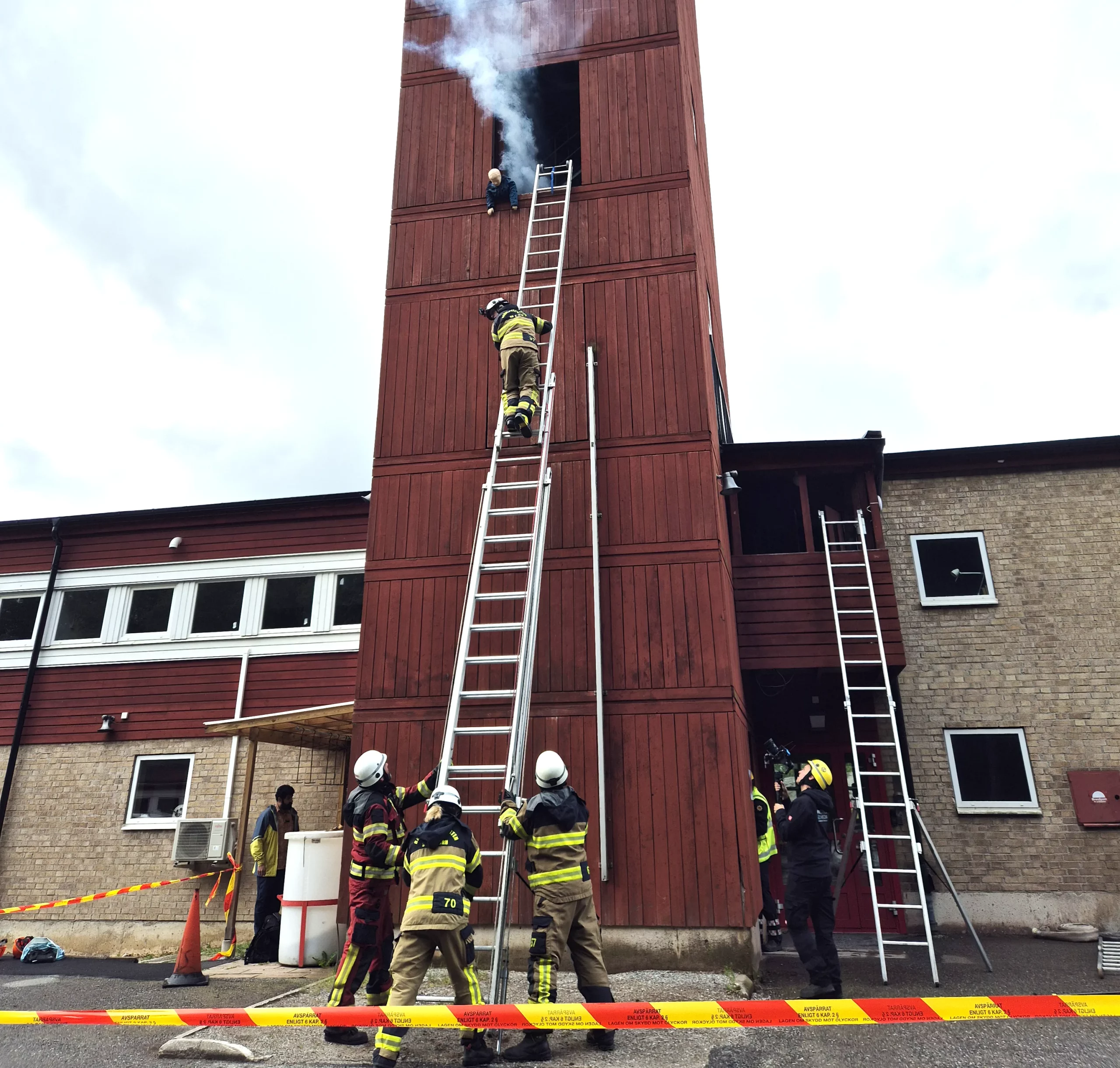
The project is jointly funded by the European Union’s Horizon Europe research and innovation program, the Swiss State Secretariat for Education, Research and Innovation (SERI), the Japan Science and Technology Agency, the Korean Ministry of Science and ICT, and the Korea Electronics and Telecommunications Research Institute (GA 101121321). SYNERGISE began on September 1, 2023, and will continue until February 28, 2027.
SYNERGISE website: https://www.synergise-project.eu/
Somewhere along a French railway line, site supervisor Jules Perrot checks his tablet. It pings —an alert. One of his team members, stationed near a maintenance tunnel, is registering signs of heat strain. No one had called it in. No one had noticed. Yet within seconds, he knows the worker’s exact location, the surrounding gas concentration levels, and his vital signs.
This isn’t a scene pulled from a futuristic film. This is happening now on European railways—and it’s changing everything.
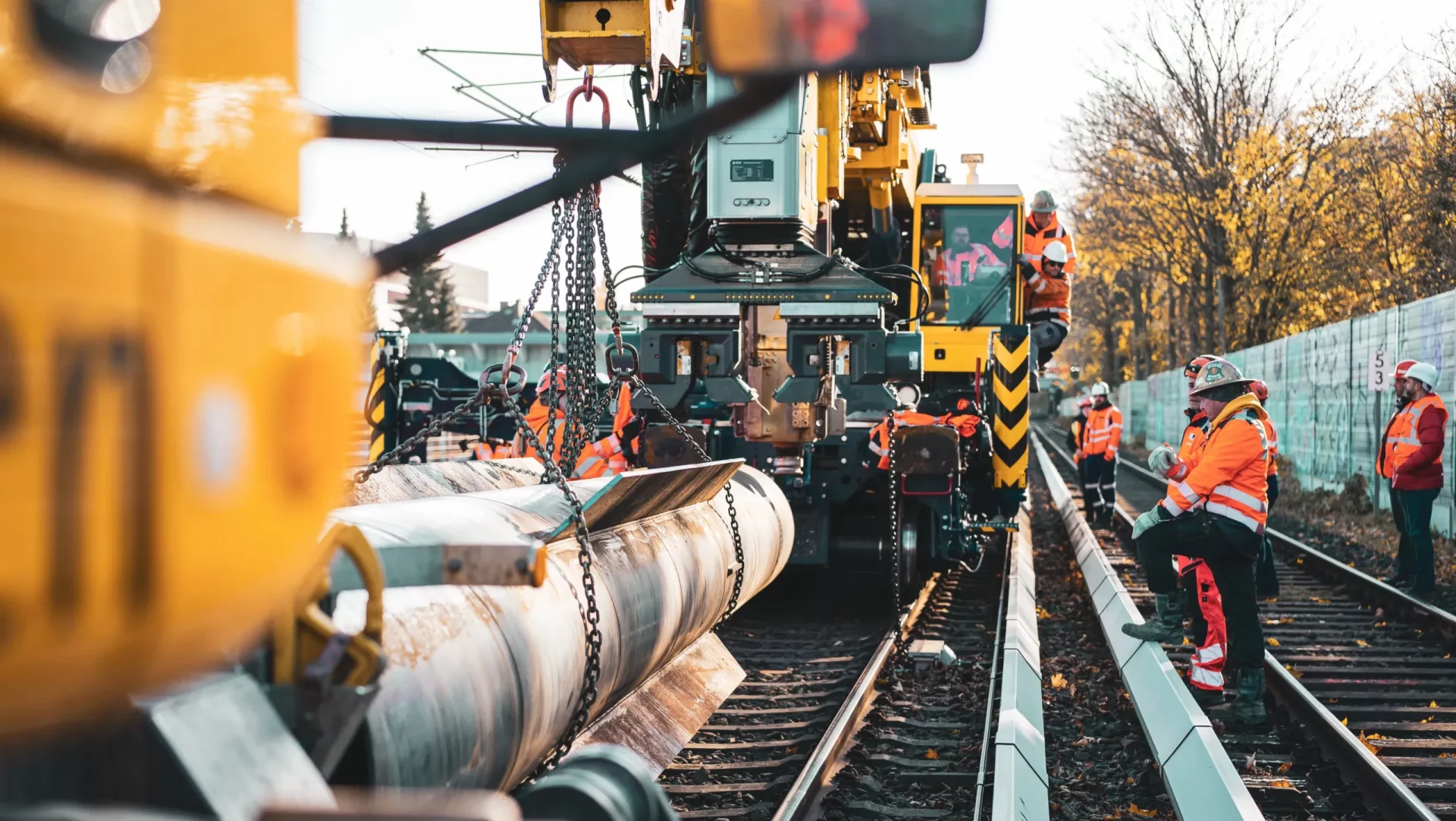 Wearin’ sensors support safety monitoring during railway maintenance operations
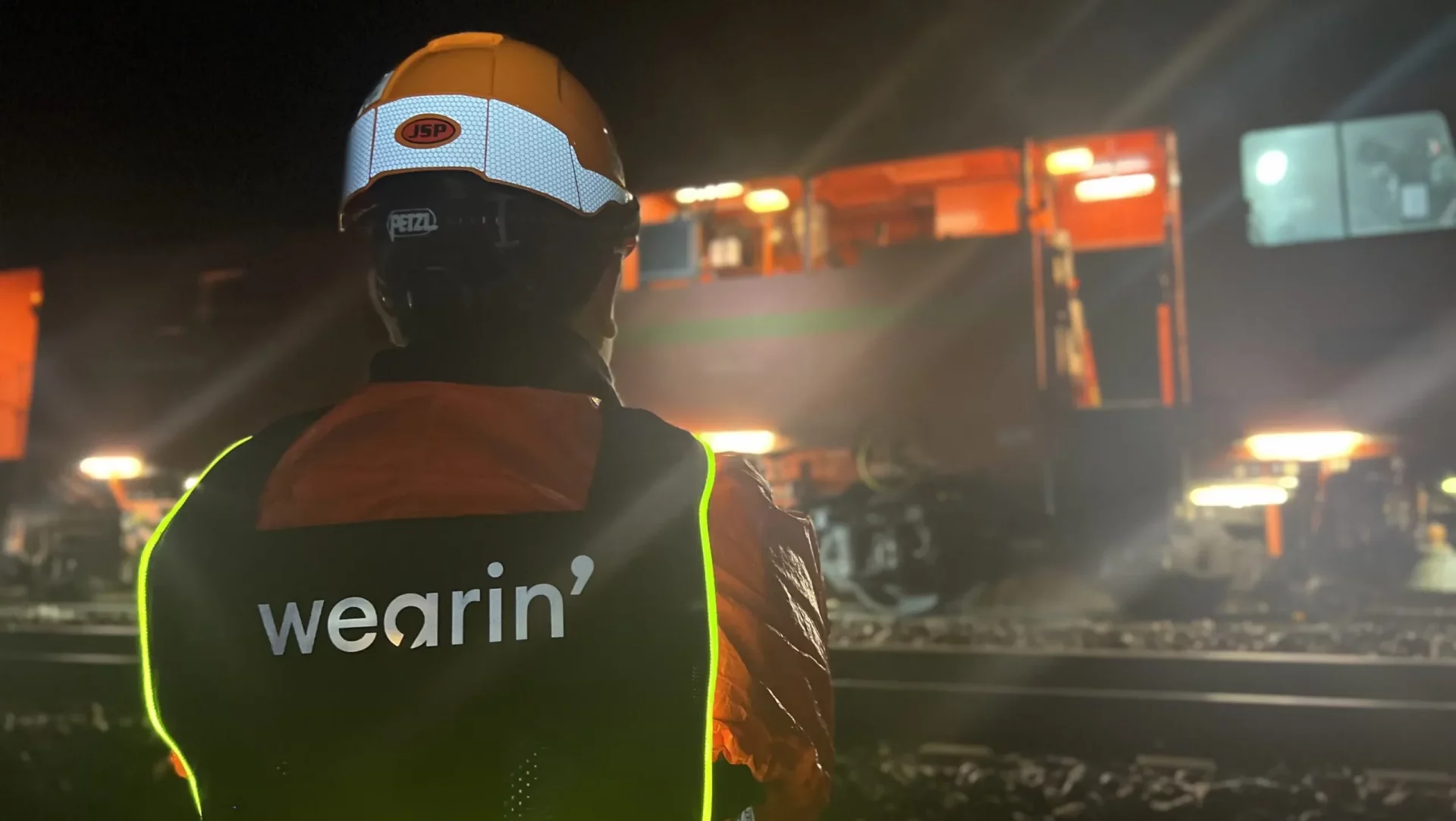 Railway workers use Wearin’s wearable tech to stay safe
Temperature spikes, gas leaks, extreme fatigue, these are now detectable and addressable as – and even sometimes before – they become emergencies.
Wearin’ solution aggregates multiple data streams, from individual vitals to ambient conditions, helping incident commanders and supervisors make faster, better-informed decisions. But it’s not just about real-time responses. Over time, the data builds a broader picture—identifying patterns of fatigue, long-term exposure risks, and areas where preventative measures could make the biggest difference.
“Railway companies are starting to see safety as a strategic investment”, explains Phong Pham, Business Development Manager at Wearin’.
“Not just to comply with regulations, but to actively protect careers, reduce turnover, and avoid costly delays or incidents. Thanks to Wearin’ AI-driven solution, we are creating a future where no professional faces danger alone. Where every decision is informed, every response is coordinated, and every life is better protected.”
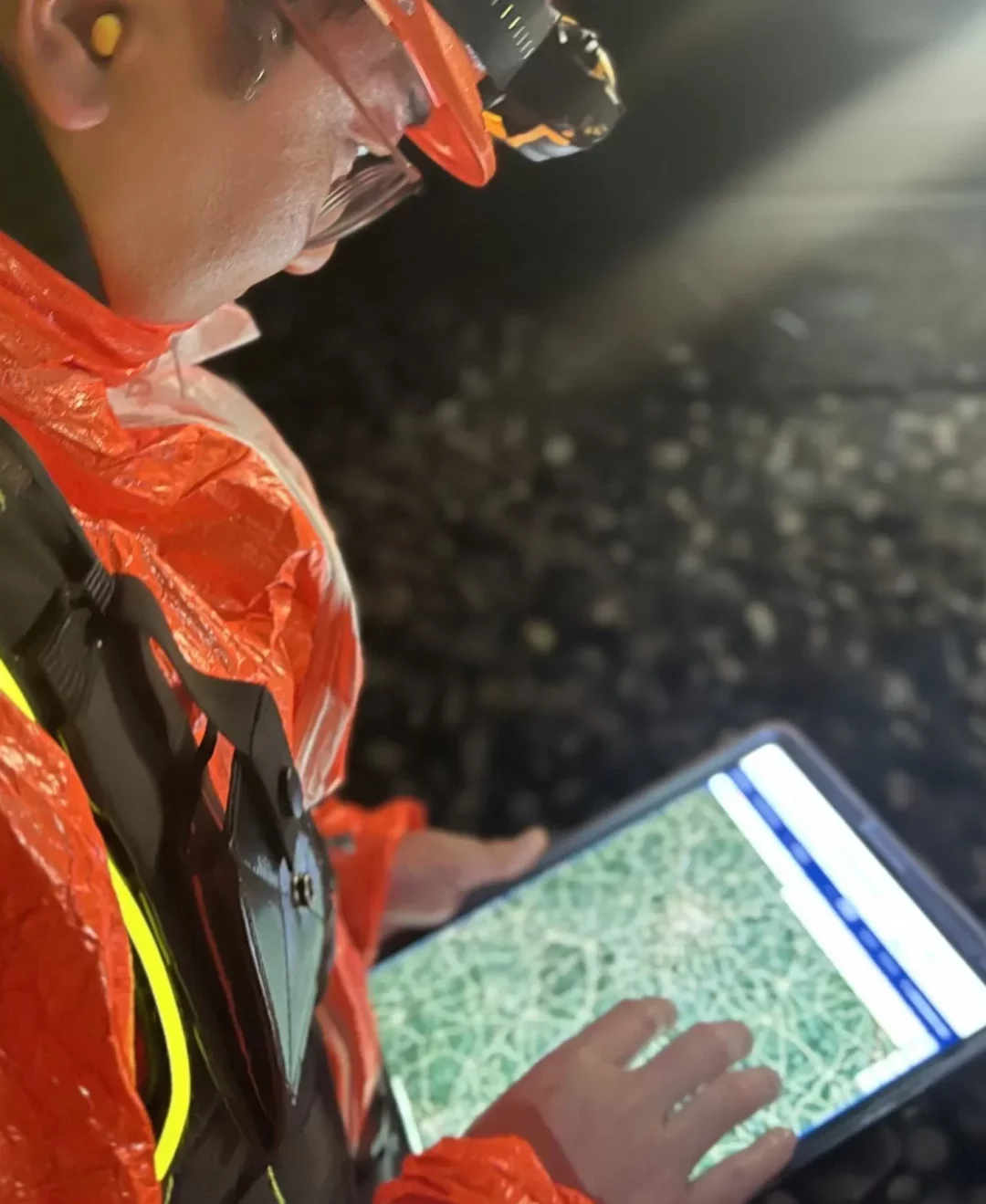 Real-time data supports supervisors in improving operational awareness, coordination and safety for field teams
Sources :
[1] Eurostat (2024), “Railway safety statistics”
https://ec.europa.eu/eurostat/web/products-eurostat-news/w/ddn-20241213-2
[2] Eurostat (2024), “Fatalities in railway accidents – update”
https://ec.europa.eu/eurostat/web/products-eurostat-news/w/ddn-20241213-2
Worker safety is a major issue in France, where every day, more than 100 employees are seriously injured and two lose their lives due to their professional activities, according to the ministère du Travail et de l’Emploi. These figures highlight the importance of transforming risk prevention and management practices. While the challenges are numerous, emerging technologies offer an innovative approach to addressing these issues.
There is no denying that artificial intelligence (AI) has profoundly transformed our society in recent years, bringing major advances in many sectors through the rapid analysis of big data.
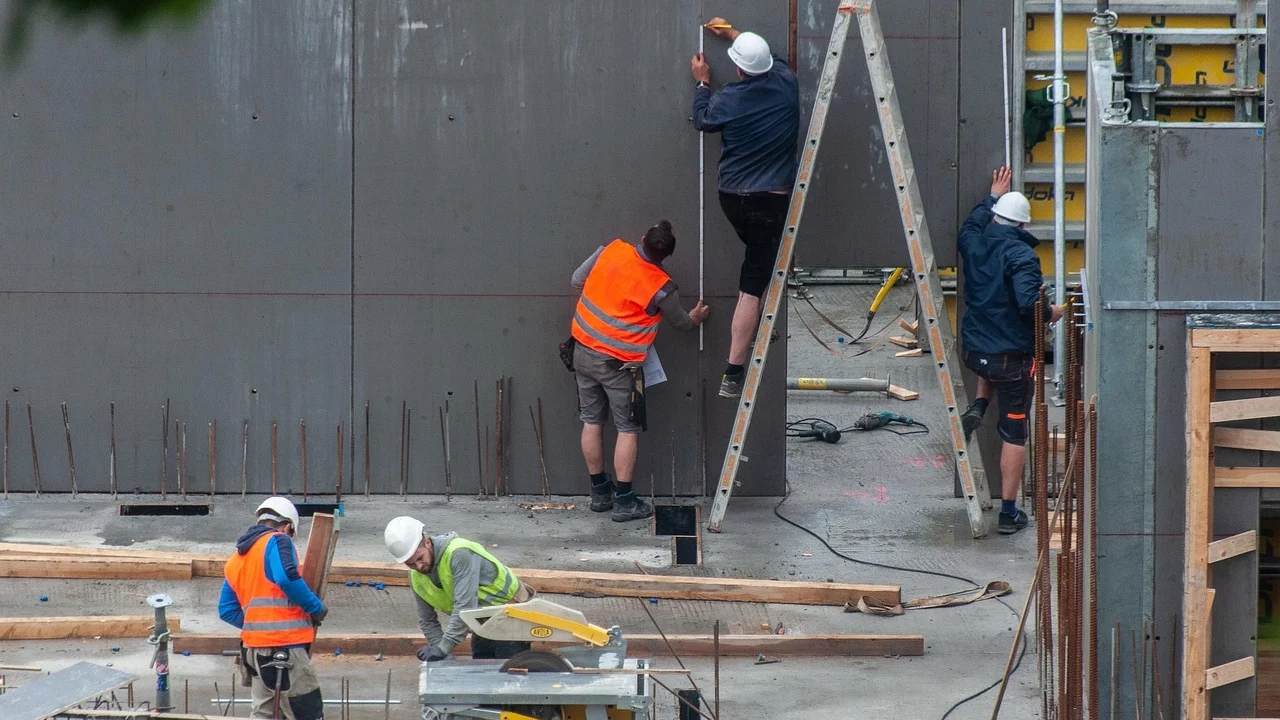 Construction is one of the most demanding and high-risk sectors
AI is as fascinating as it is worrying. Many people are sounding the alarm, highlighting the risks and dangers it poses, particularly for the job market, IT security, privacy, and many other areas. Beyond the heated debates between technophiles and technophobes, it is essential to put in place effective and appropriate regulations to enable companies to take full advantage of the promise of these new technologies, while avoiding abuses.
In this article, which draws in particular on the ILO’s 2025 report « Révolutionner la santé et la sécurité : le rôle de l’IA et de la numérisation au travail », we discuss how connected solutions and artificial intelligence (AI) are helping to improve risk management in occupational safety.
In 2023, France recorded 1,287 deaths related to workplace accidents, an increase from the previous year. These statistics include accidents on site, commuting accidents, and occupational illnesses. Among the most affected sectors are construction, where falls from height remain the leading cause of fatal accidents, as well as the chemical industry and rail transport, where exposure to toxic substances or hostile environments poses a major risk.
Article L4121-1 of the Labor Code requires employers to take all necessary measures to protect the physical and mental health of workers. However, despite this clear legal framework, implementation remains uneven. Labor inspectors struggle to carry out regular checks, particularly in high-risk sectors such as construction.
The ILO’s 2025 report highlights how AI and digitization are transforming occupational health and safety worldwide. Automation, smart monitoring systems, and connected tools can, for example, reduce hazardous exposures, prevent injuries, and improve working conditions in general. In addition, the INRS (French National Research and Safety Institute) emphasizes that AI can play a key role in the early identification of hazards and the improvement of preventive diagnostics.
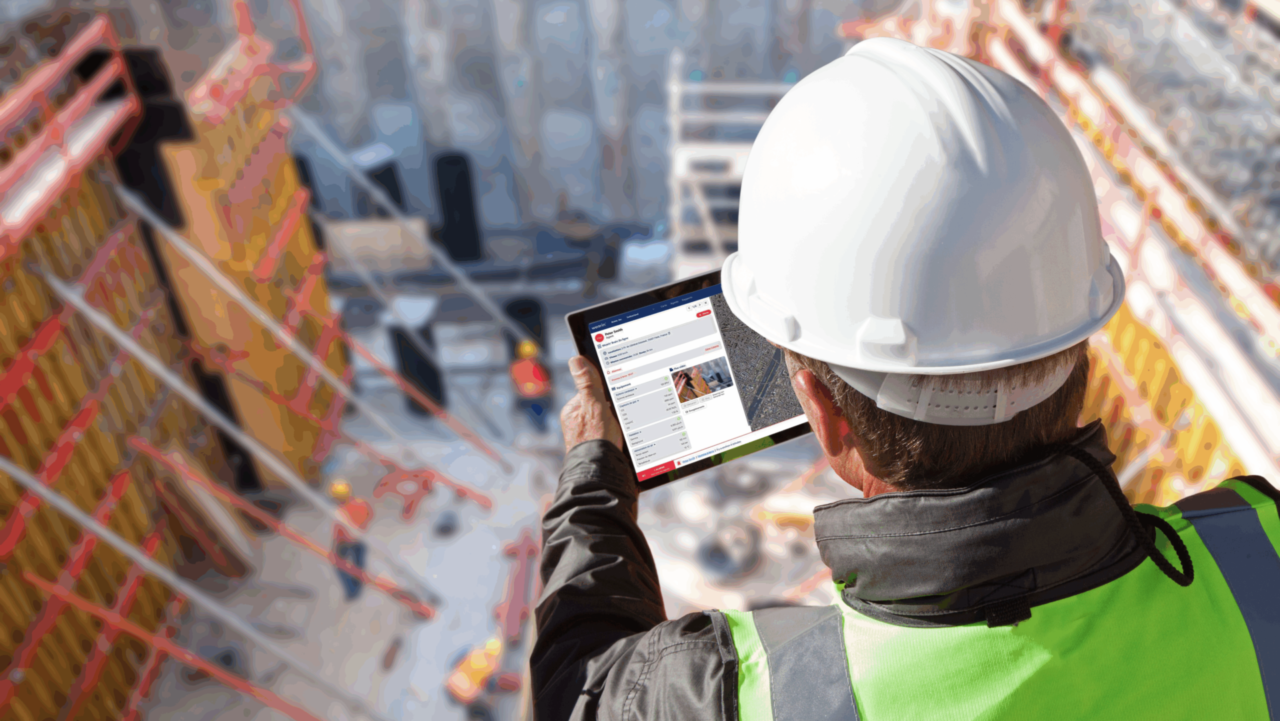 Real-time data analysis from connected sensors to improve workplace safety
Through real-time analysis of data collected by connected sensors, AI can identify imminent dangers before they occur. For example, it can detect an abnormal drop in a worker’s heart rate or excessive exposure to extreme temperatures. These capabilities enable QHSE managers to intervene quickly to prevent accidents.
Automated systems and smart sensors now detect hazards such as gas leaks, worker fatigue, or unsafe use of equipment much faster than traditional inspections. This enables rapid intervention and can save lives.
Virtual reality (VR) and extended reality (XR) enable immersive safety exercises to be organized, particularly in high-risk sectors such as construction or heavy industry, without exposing workers to real dangers.
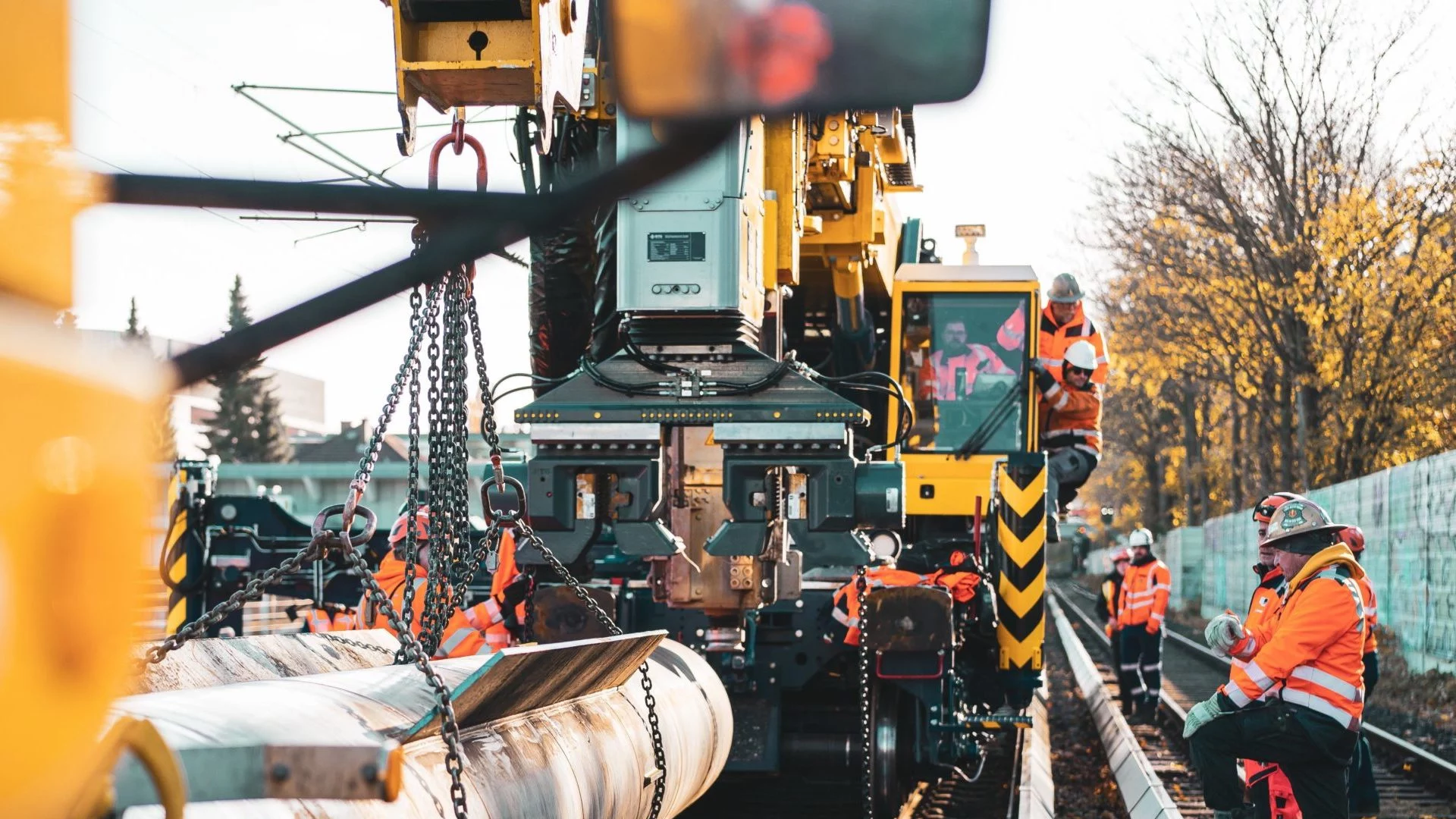 Artificial intelligence and IoT technologies help detect risks earlier, increase situational awareness and improve safety for workers in industrial and construction environments
Machine learning algorithms enable companies to incorporate lessons learned from past incidents to refine their safety protocols. This approach promotes a proactive culture where prevention becomes central.
AI also makes it possible to personalize schedules, ensure fair distribution of tasks, and detect risks of work overload early on, thereby helping to prevent psychosocial disorders.
However, the ILO report emphasizes that these advances also bring their share of challenges:
The ILO therefore emphasizes the need for proactive policies, appropriate regulation, and active worker participation to ensure a human-centered digital transition.
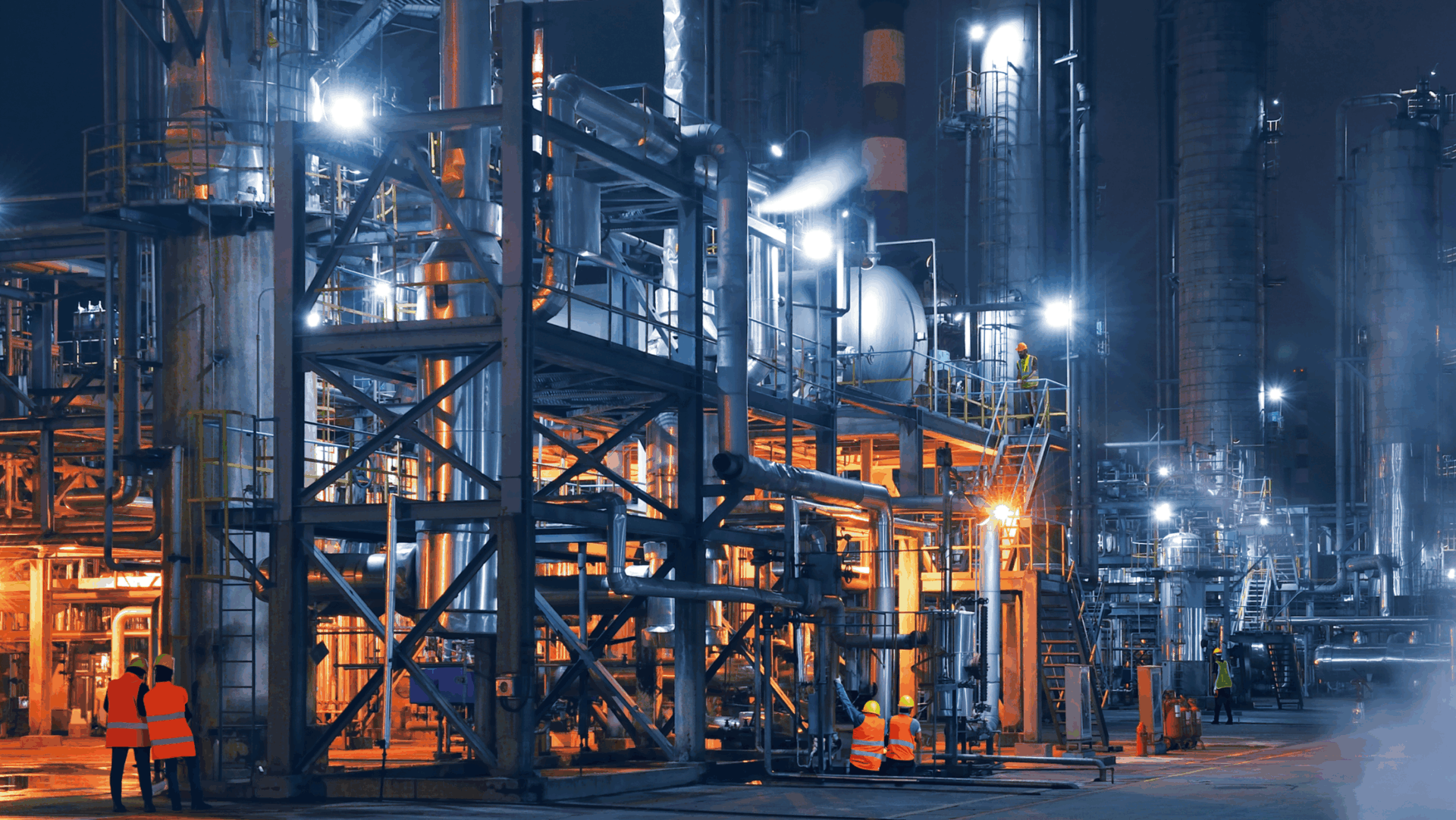 High-risk industrial environments require constant monitoring and vigilance
While these connected technologies and AI offer undeniable advantages, their adoption requires a thoughtful approach:
The ILO report also recommends strengthening existing regulatory frameworks (Conventions 155 and 187), adapting legislation to better regulate AI, algorithmic management, and human-robot interaction, and guaranteeing the right to disconnect.
At Wearin’, we are developing a smart IoT platform that addresses the main challenges French companies face in protecting their workers. Designed to be integrated into various industrial sectors, our solution combines wearable sensors, advanced algorithms, and an intuitive interface to provide complete real-time visibility.
 Mining workers operate in high-risk environments where real-time awareness, communication and safety measures are essential
Wearin’ has integrated Mirion’s industry-leading radiation detection technology to deliver precise, real-time monitoring capabilities to field teams. This powerful combination provides enhanced situational awareness and instant alerts, enabling faster response times to potential radiation threats while maximizing operational safety and efficiency.
The integration enables enhanced safety across multiple scenarios, from public events and border control to critical infrastructure protection, by connecting field operators with command centers for real-time radiation threat assessment. This seamless connection ensures immediate sharing of critical radiation situational awareness data, essential for protecting both public safety and professional personnel against radiological threats.Through this collaboration with Mirion Technologies, a premier provider of radiation detection solutions for nuclear, defense, medical, and research markets, Wearin’ has integrated the AccuRad PRD personal radiation detector to elevate safety standards in high-risk environments. This integration transmits critical radiation exposure data instantly, allowing team leaders and command centers to monitor personnel safety and respond rapidly to potential threats.
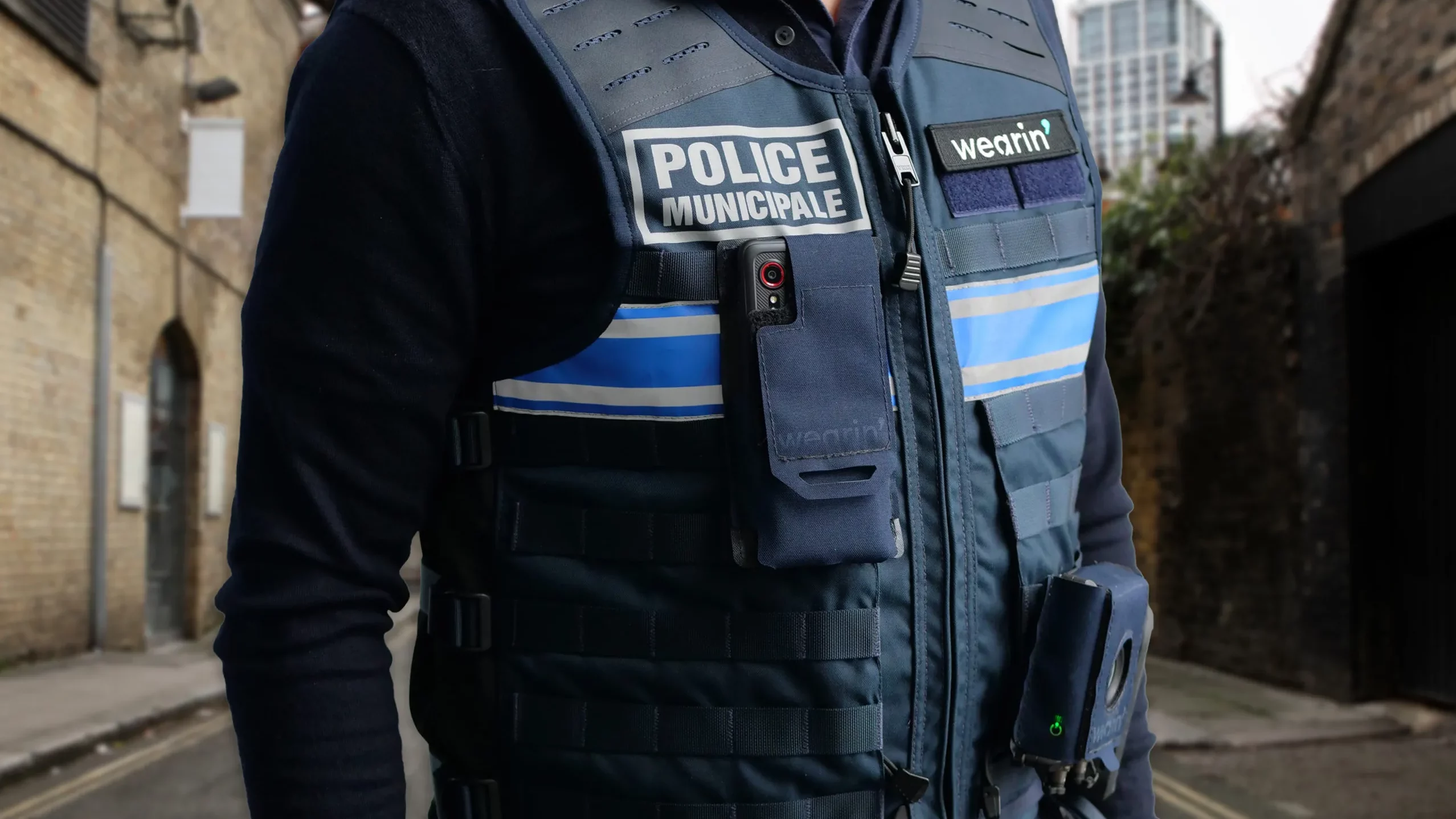 The AccuRad PRD is a compact personal radiation detector designed to support law enforcement and security professionals with real-time detection capabilities in urban environments
Wearin’s intelligent IoT platform generates real-time insights by capturing in-mission data from connected sensors and devices, including location tracking, movement monitoring, and orientation data. This comprehensive monitoring system helps detect and prevent health and safety risks, improves live coordination, and enables remote guidance when needed.
The Wearin’ Brain device, as the foundational element of the Wearin’ solution, worn by field agents, features an emergency SOS button, dual connectivity options through mobile networks and Wi-Fi, and an automatic alarm system with haptic feedback. The device ensures secure data transmission to the Wearin’ Cloud through robust encryption protocols, maintaining data integrity and security throughout operations.
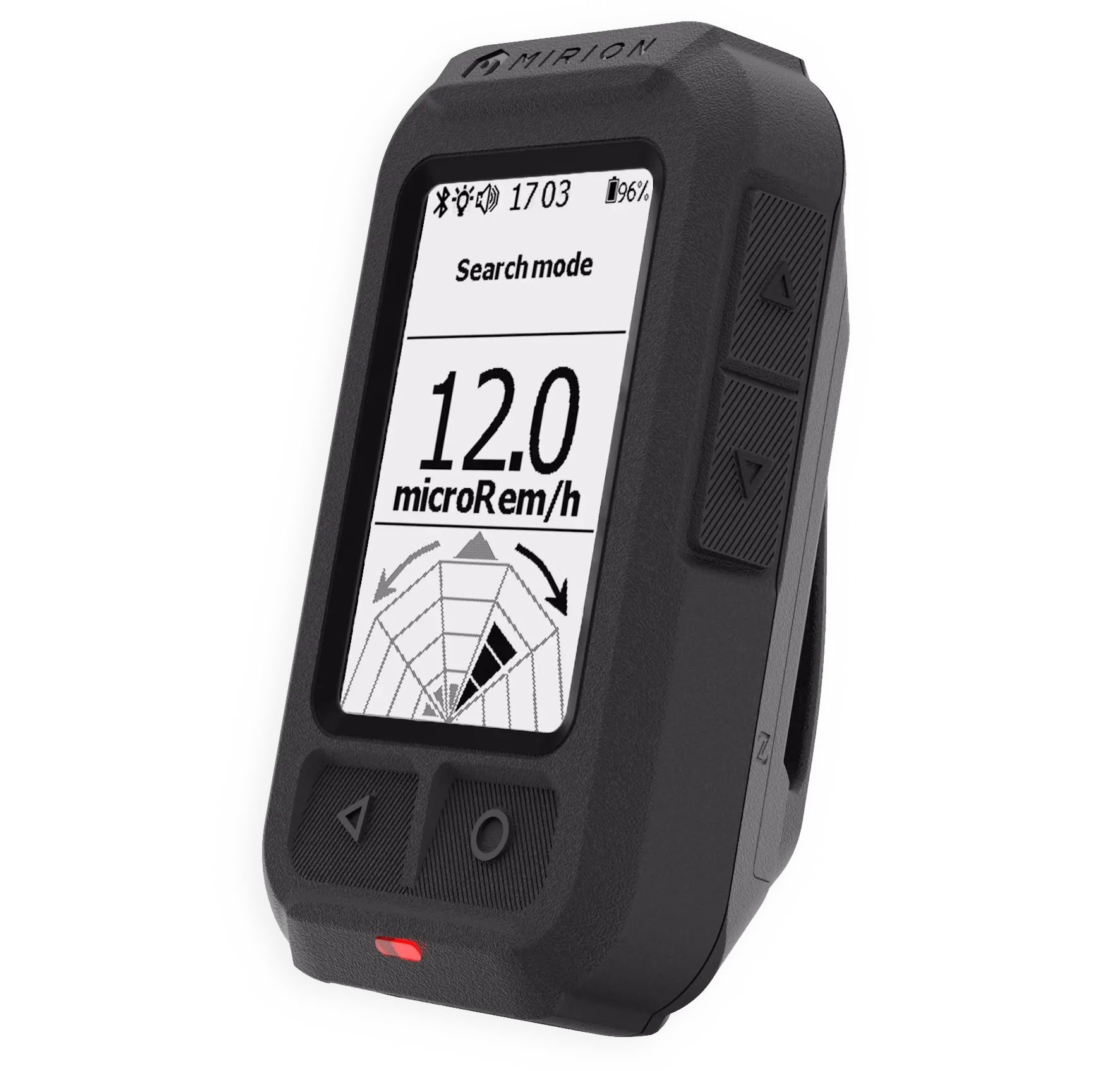
This integration marks an expansion of Wearin’s device portfolio, and our strong collaboration with Mirion enables custom integration of additional radiation detection devices based on specific organizational requirements. Organizations can leverage this technology to achieve higher levels of situational awareness and improved response times in critical situations, ultimately enhancing the safety and efficiency of their operations.
Explore our innovative solution at wearin.tech/solution.
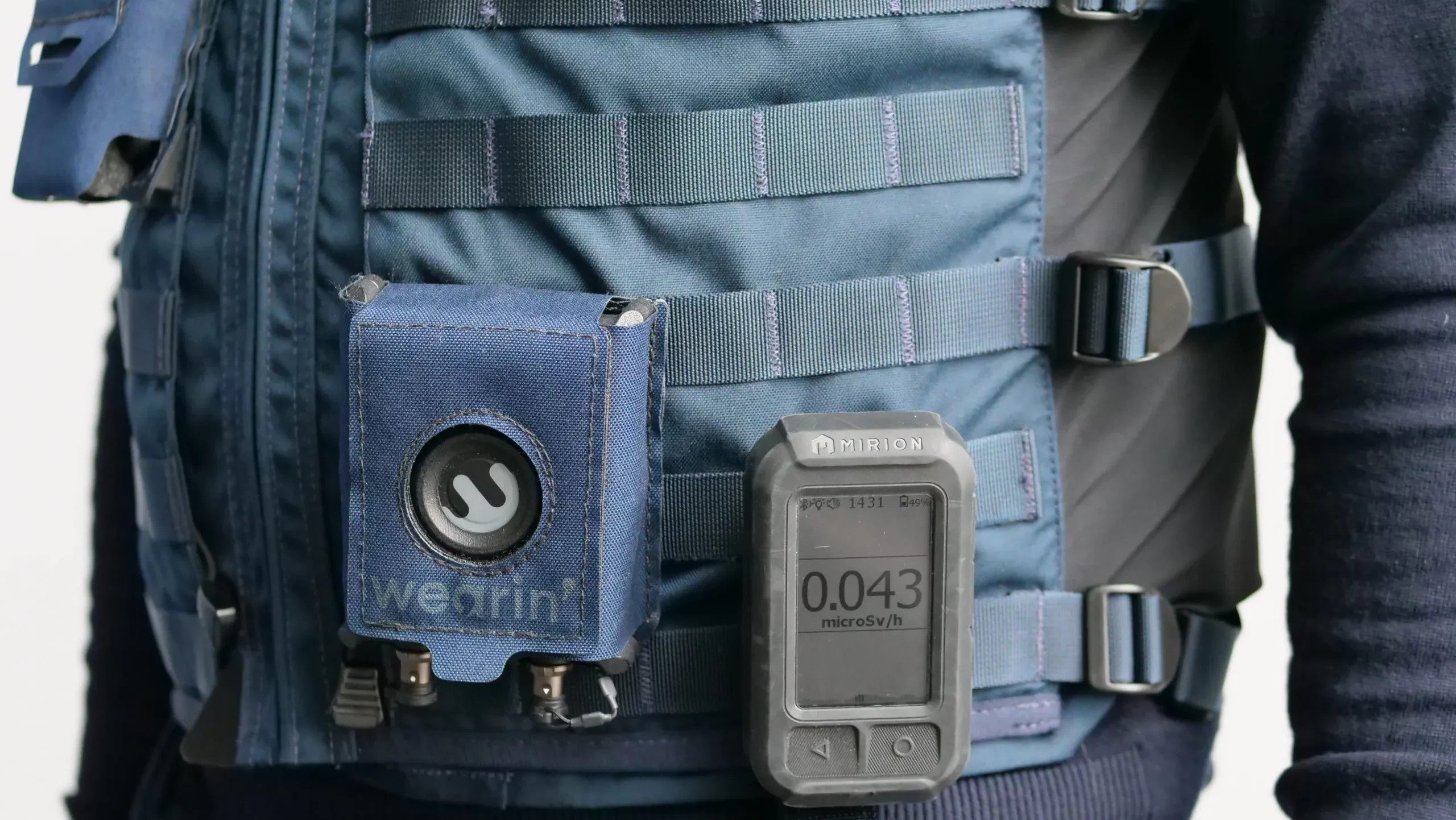
In the early morning, Battalion Chief Nathalie Martin at a Swiss-based firefighter department stands at her command post, her eyes fixed on a dashboard that tells her more than radio chatter ever could. The screen shows vital signs of every firefighter inside the burning warehouse, along with real-time environmental readings that paint a clear picture of the developing situation. This isn’t a scene from science fiction – it’s the new reality of emergency response.
It is no secret that the urgency for enhanced safety measures across many industries has never been clearer. The National Safety Council’s 2022 report revealed a sobering reality: in the United Sates, work injuries cost the nation $167.0 billion, with $50.7 billion in wage and productivity losses, $37.6 billion in medical expenses, and $54.4 billion in administrative expenses [1]. In Europe in 2021, there were 2.9 million non-fatal accidents that resulted in at least four calendar days of absence from work, with the highest incidence rate (the number of non-fatal accidents at work for every 100’000 persons employed) observed in construction [2]. For emergency services, where risks run exceptionally high, these figures underscore the critical need for preventative measures and enhanced safety protocols.
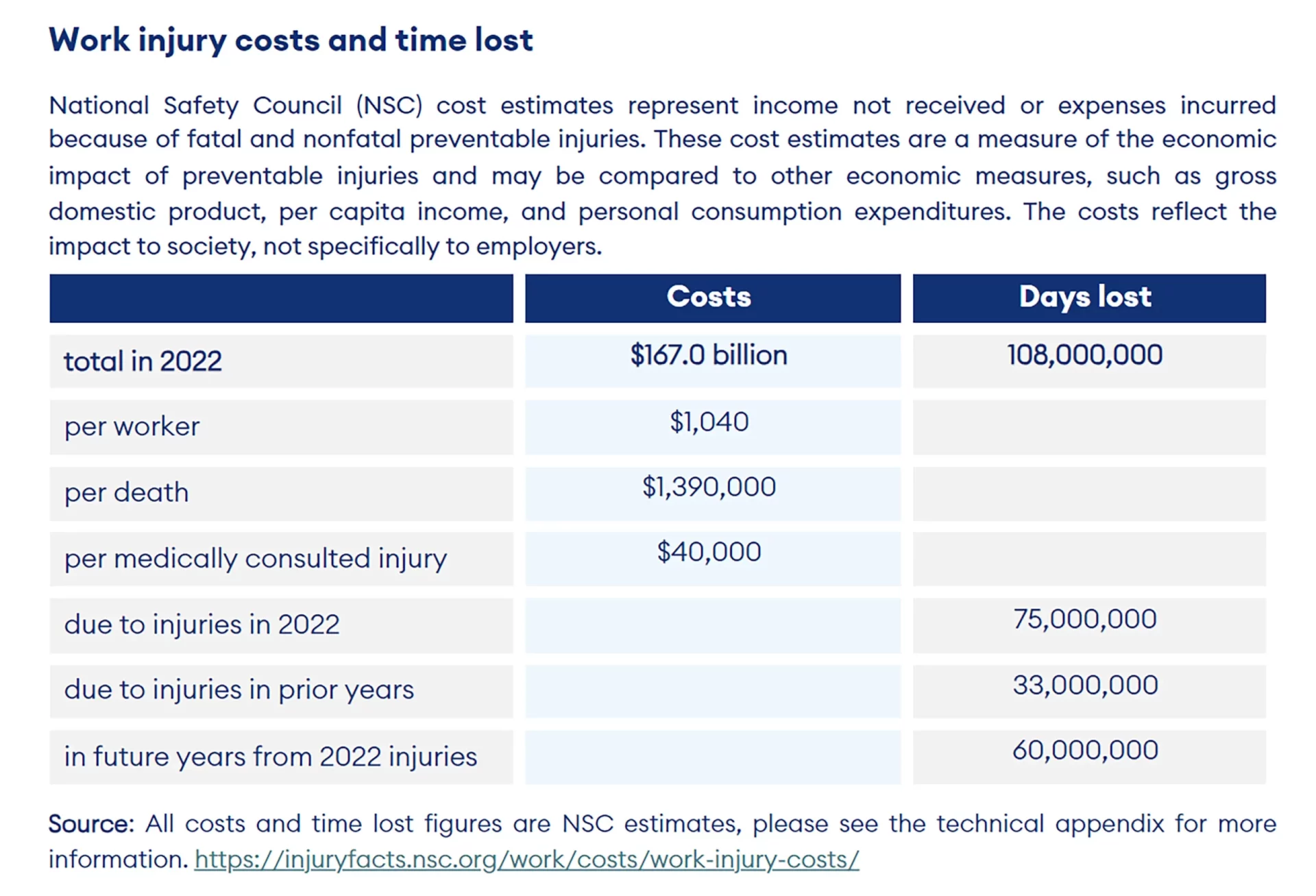 In 2022, work-related injuries in the United States cost an estimated $167 billion and resulted in 108 million lost days, according to the National Safety Council
Gone are the days when first responders relied solely on instinct and experience. Today’s emergency services face increasingly unpredictable challenges, from extreme weather events to complex industrial hazards. The stakes have never been higher, and the old ways of operating are no longer enough.
“We used to rely entirely on radio communications, past experience and gut feelings,” reflects Battalion Chief Martin. “Now we can see exactly what’s happening with our people and their environment in real-time. It’s like having an extra set of eyes watching over every member of the team.”
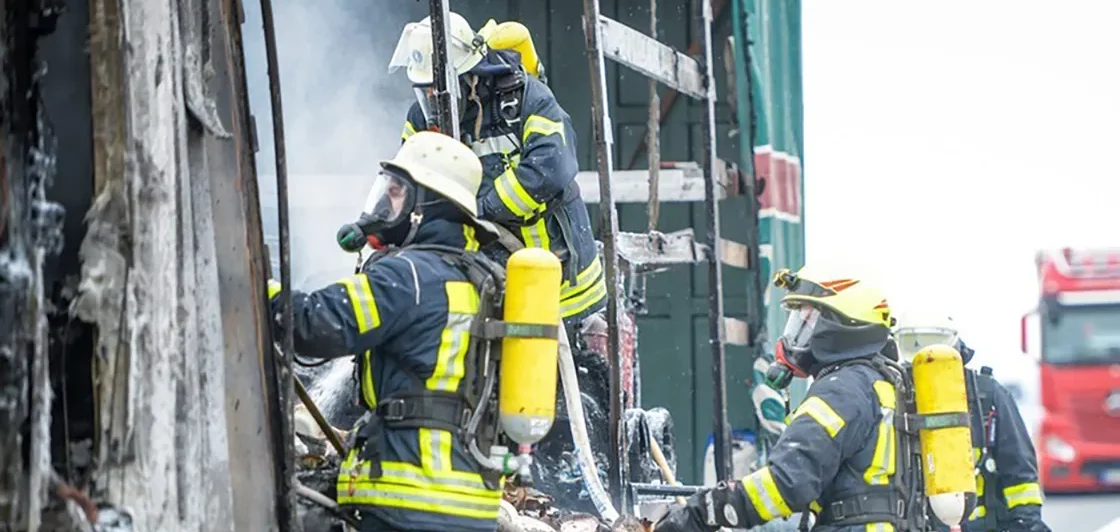 Emergency responders operate in high-risk environments where situational awareness and health monitoring are crucial to improving safety and operational outcomes
The transformation in emergency response operations isn’t just about technology – it’s about fundamentally changing how we protect those who protect us. Modern incident commanders now have access to a wealth of data that was unimaginable just a few years ago. Environmental sensors track toxic exposure levels, while biometric monitoring provides instant alerts on personnel health status.
The impact of these advances extends far beyond any single incident. Long-term health monitoring has revealed patterns that were previously invisible. Exposure to harmful substances, cumulative stress impacts, and early warning signs of health issues or extreme fatigue can now be identified and addressed before they become critical.
Leading this transformation is Wearin’, a Swiss-engineered innovative AI-powered platform that seamlessly connects field personnel with command staff through integrated wearable sensors. This advanced system continuously monitors environmental conditions, situational threats, and vital physiological data, delivering real-time insights that enable faster, more informed decision-making.
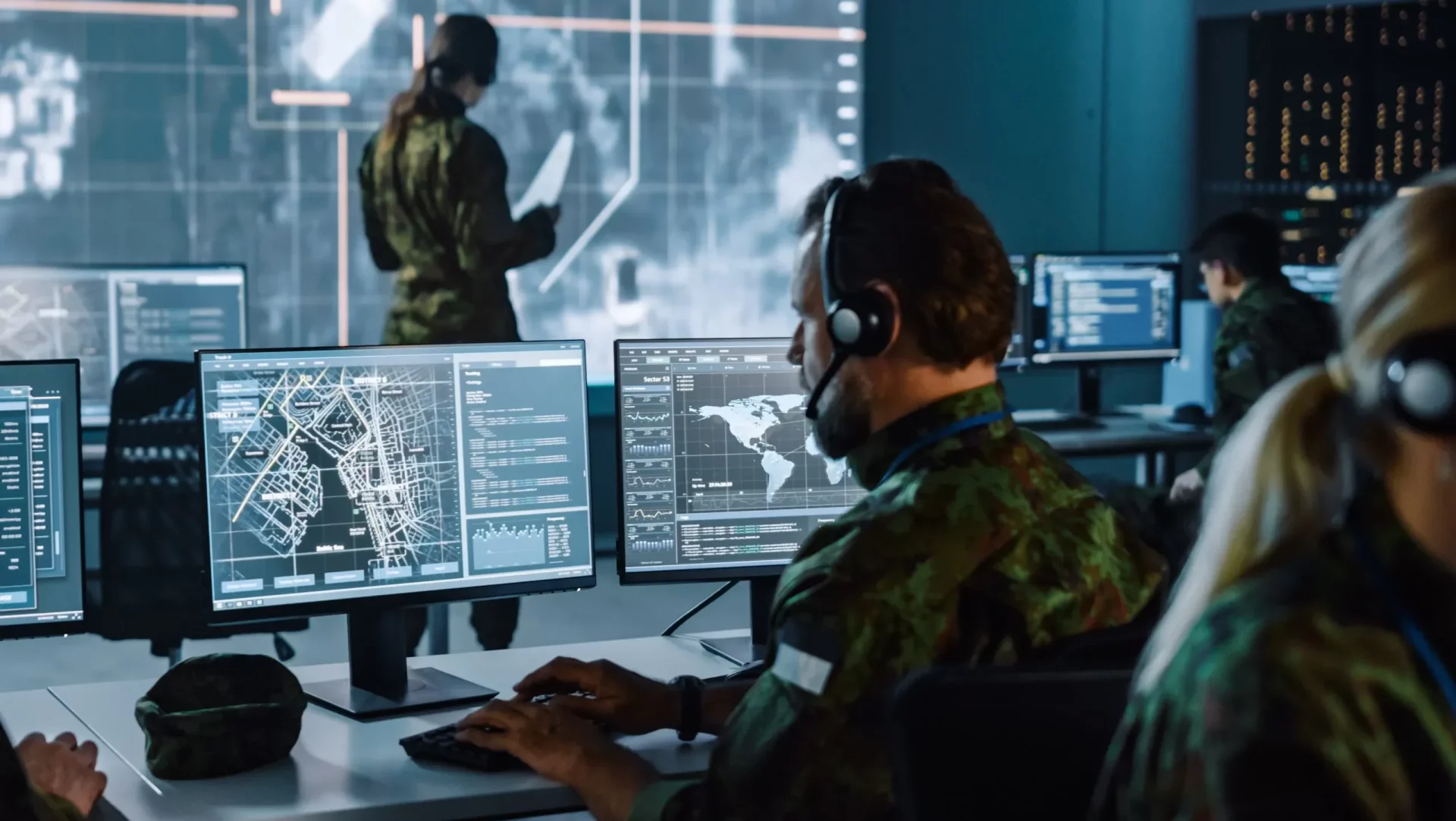 Real-time information supports command staff in coordinating operations effectively
“What we’re seeing is a fundamental shift in how organizations approach first responder safety,” explains François Aubaniac, Business Development Manager at Wearin’.
“Whether fire departments, law enforcement agencies, construction or mining companies, these organizations are not just protecting professionals during incidents – they’re also safeguarding their entire careers.”
Unlike traditional standalone solutions, Wearin’s comprehensive platform provides command staff with actionable intelligence about immediate dangers while generating predictive insights about long-term health impacts. The system’s ability to process multiple data streams simultaneously gives incident commanders unprecedented visibility into their operations, helping them optimize resource deployment while keeping personnel safer.
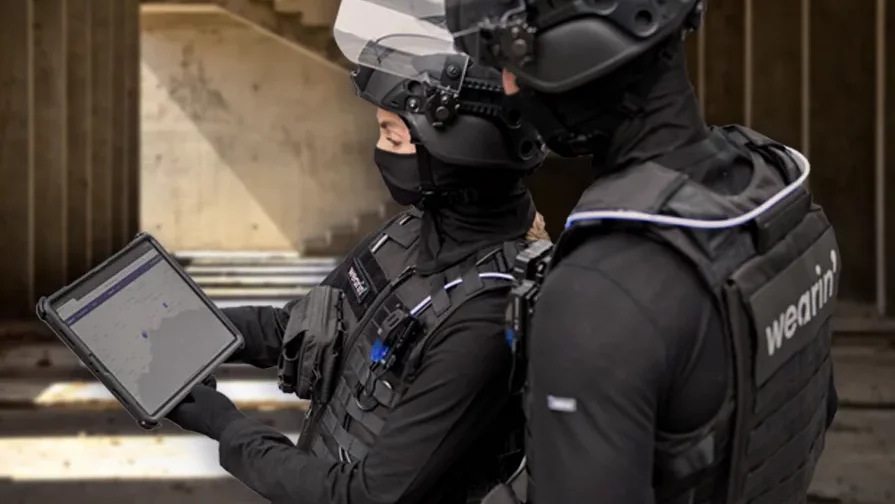 Real-time dashboards help teams coordinate actions and assess evolving field conditions more accurately
Wearin’ is expanding its catalog of sensors and devices on its IoT platform to help command and control centers keep field personnel safe with actionable situational awareness insights.
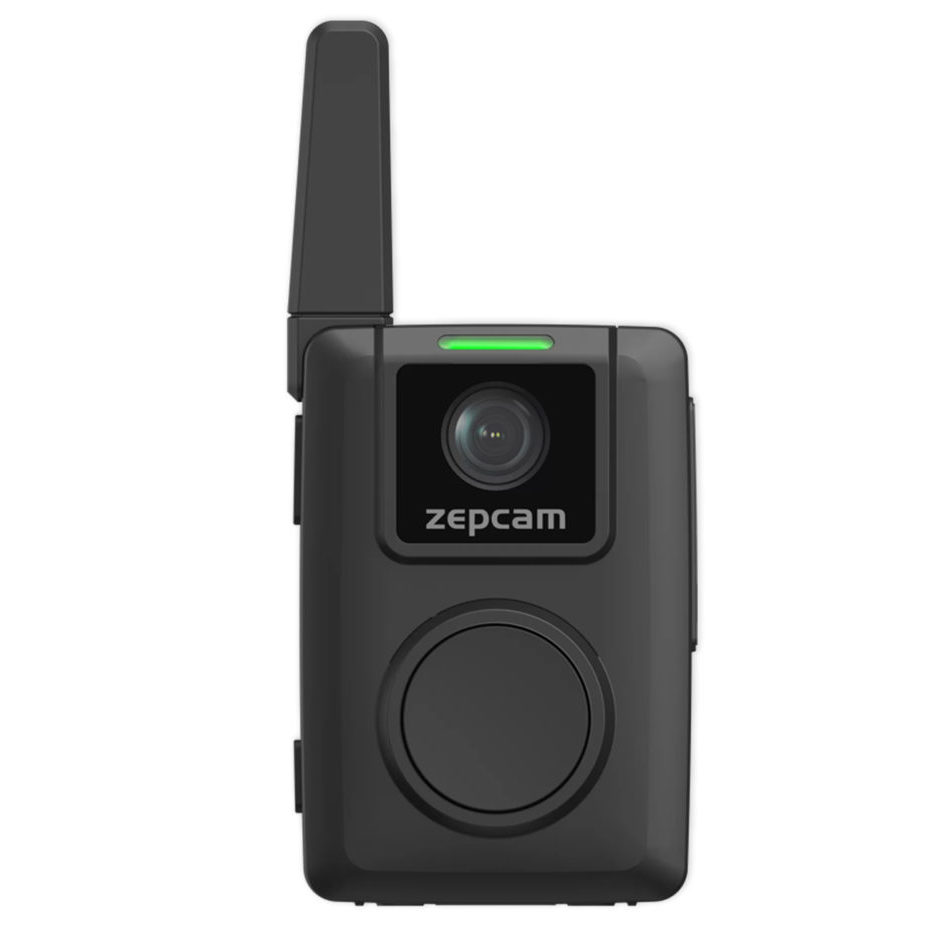
Starting in the summer of 2024, the Wearin’ solution includes the option to use the advanced bodycam technology developed by ZEPCAM™ for enhanced real-time video footage in mission-critical environments.
The ZEPCAM™ bodycam automatically streams in real-time audio and video in the case of an incident or risk detected by the advanced intelligence of the Wearin’ solution. Real-time video and audio provide command and control with better context, leading to faster and more informed decisions.
ZEPCAM™ bodycams are lightweight, robust and built to endure challenging environments, providing high quality video in both day and night.
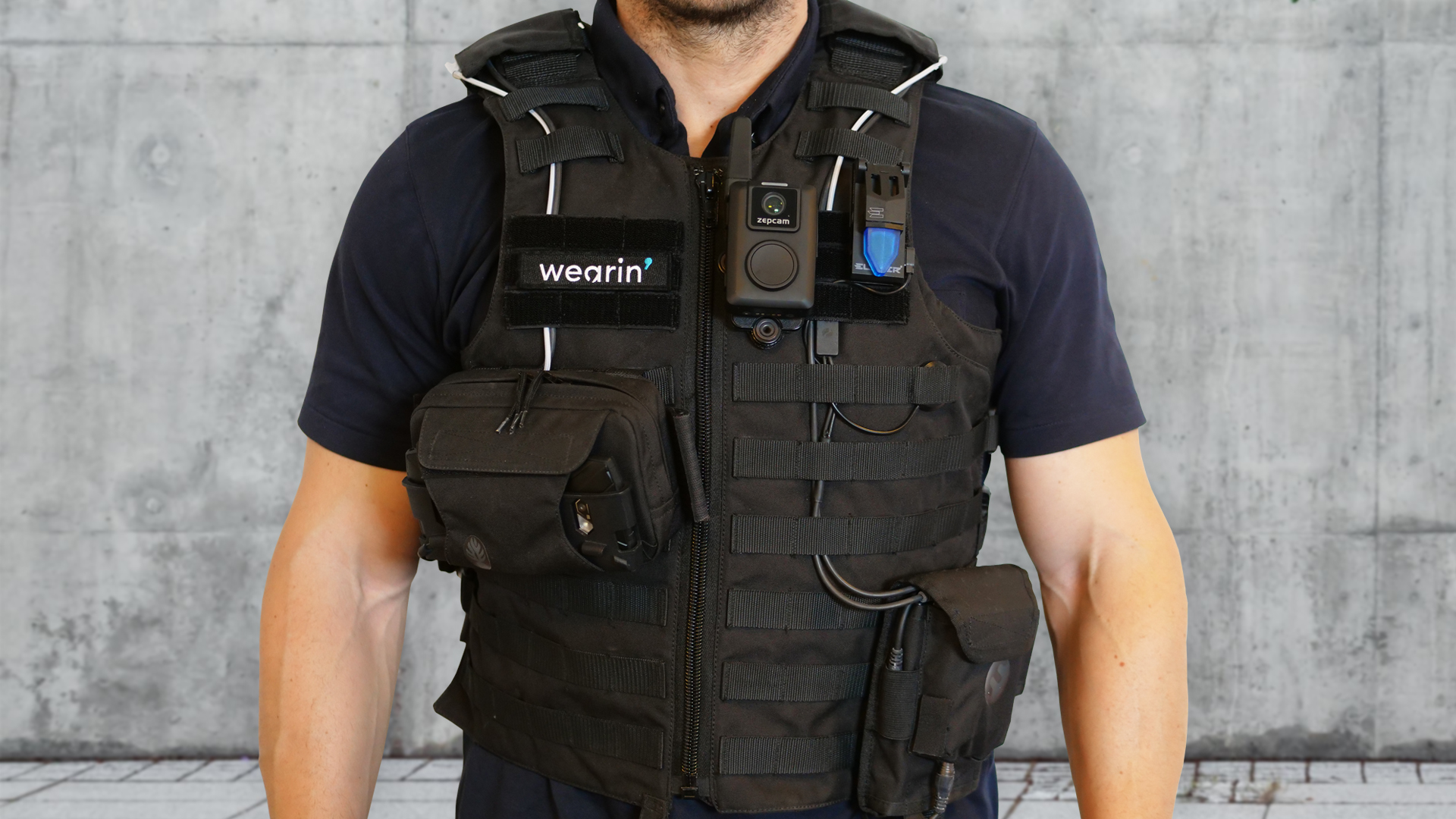 The ZEPCAM™ bodycam is ergonomically integrated into the Wearin’ equipped vest, supporting real-time video for enhanced situational awareness in mission-critical environments
Users of the ZEPCAM™ bodycam, which is ergonomically integrated into the Wearin’ equipped vest, can thus benefit from an expanded ecosystem that enhances safety and situational awareness for first responders, lone workers, security and police forces – to name a few of the various operational needs and specific customer scenarios addressed by Wearin’s modular solution.
More info on ZEPCAM™ at https://zepcam.com/.
Users of the ZEPCAM™ bodycam, which is ergonomically integrated into the Wearin’ equipped vest, can thus benefit from an expanded ecosystem that enhances safety and situational awareness for first responders, lone workers, security and police forces – to name a few of the various operational needs and specific customer scenarios addressed by Wearin’s modular solution.
More info on ZEPCAM™ at https://zepcam.com/.
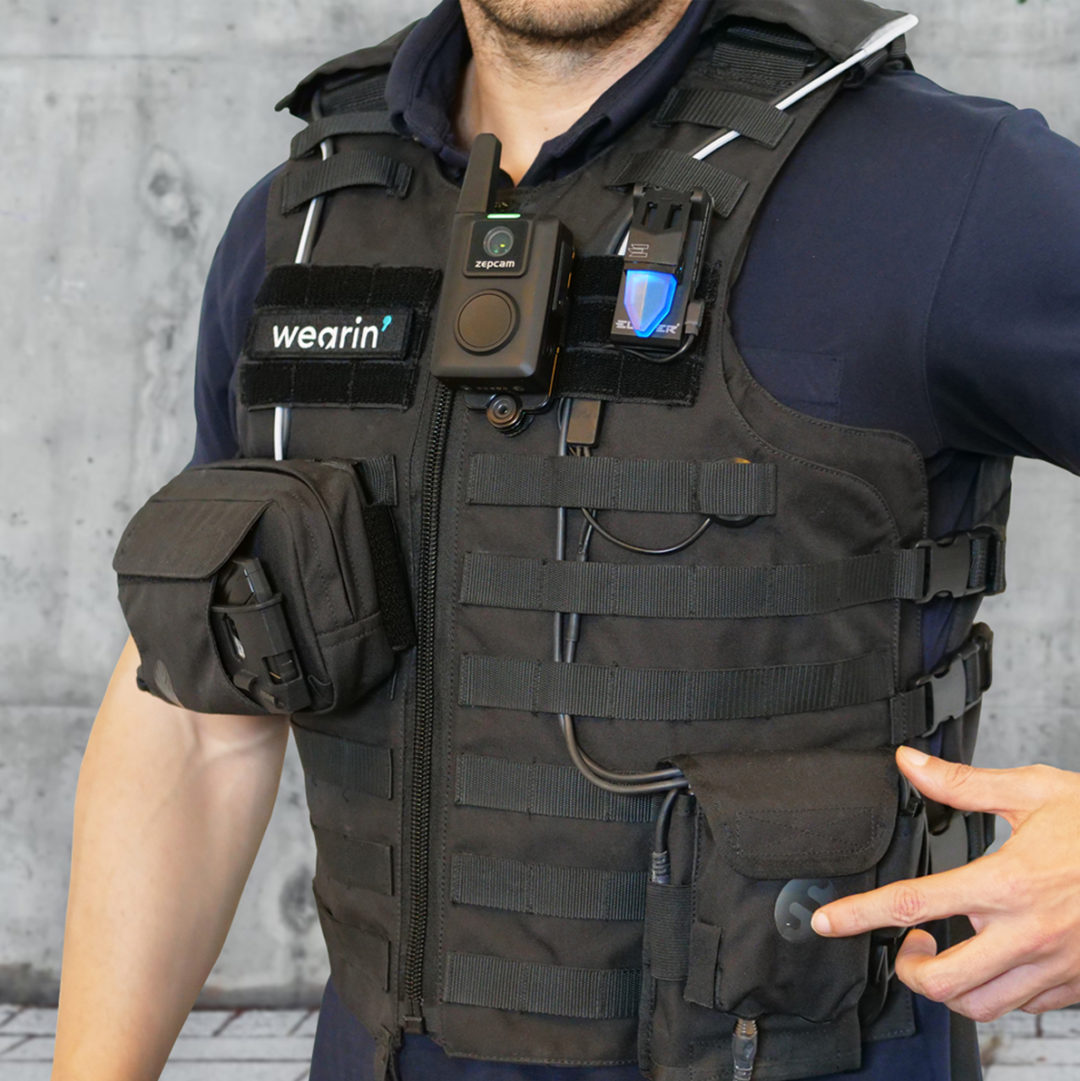
The innovative connected tactical vest project uses artificial intelligence (AI) for its abnormal-situation detection system and can transmit this warning to a command center via the Internet of Things (IoT). This innovation, applied to the operational needs of various law-enforcement professions, is the first result of a partnership between France’s General Directorate of the National Gendarmerie (DGGN) and Wearin’, the Swiss technology group Conextivity’s startup.
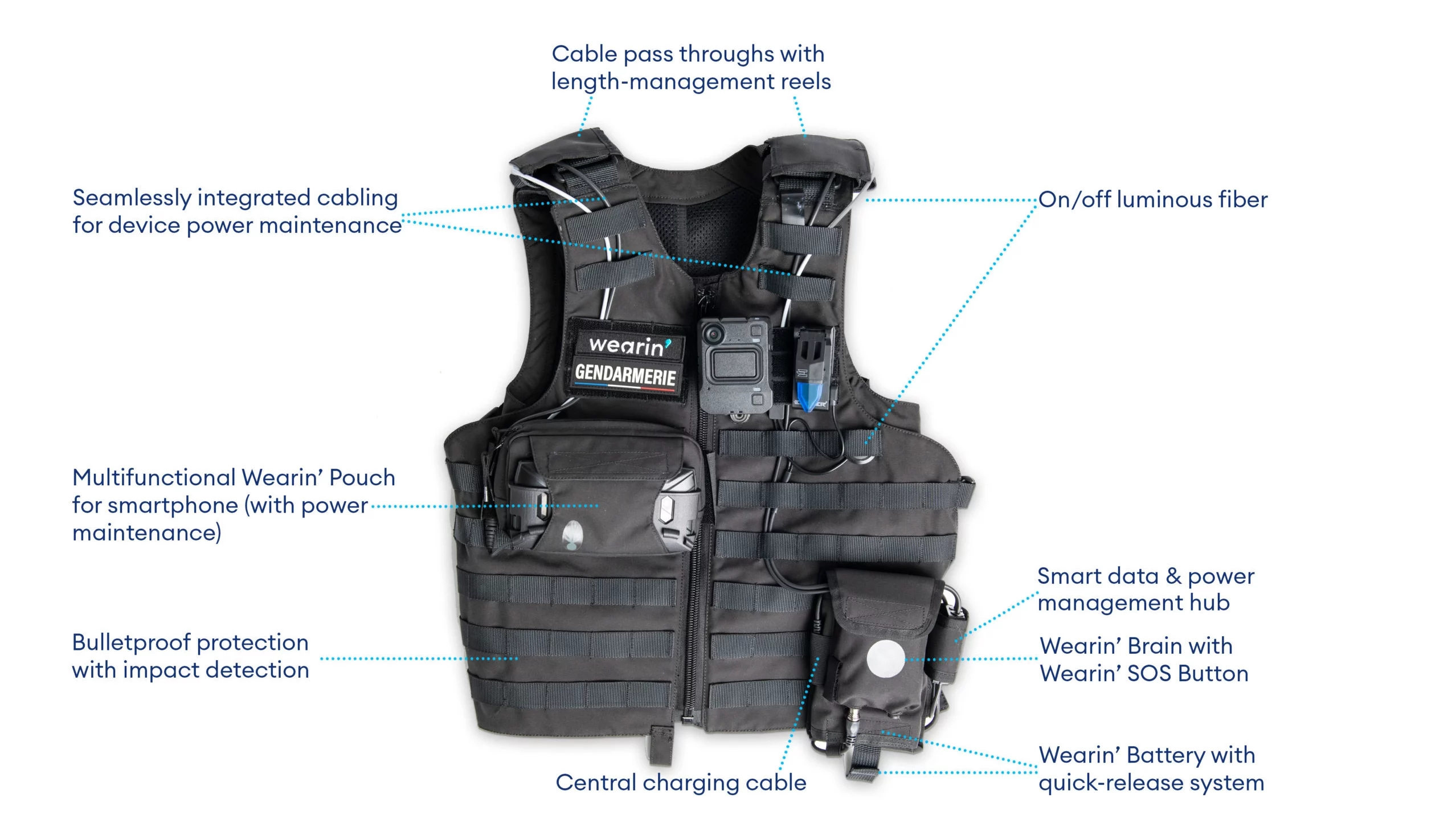
The new tactical IoT solution, which attaches to pre-installed body armor, ensures redundant safety and connectivity through a state-of-the-art AI-enhanced warning device that is independent of current radio systems. Called the Wearin’ Brain, this ruggedized device is triggered either manually by an SOS button, or automatically when it detects an abnormal situation such as loss of verticality, piercing of the body armor cover after a stab wound, or a bullet impact. In the event of a warning, the device also transmits the geolocation of personnel.
The connectivity kit features smart power management via a central high-performance battery guaranteeing 8 hours of autonomy, which considerably increases the running time of gendarmes’ electronic equipment. The kit’s optimized cabling allows equipment to be recharged via a single cable, which the agent can easily connect at the end of a mission, or to his/her vehicle if required during an extended mission.
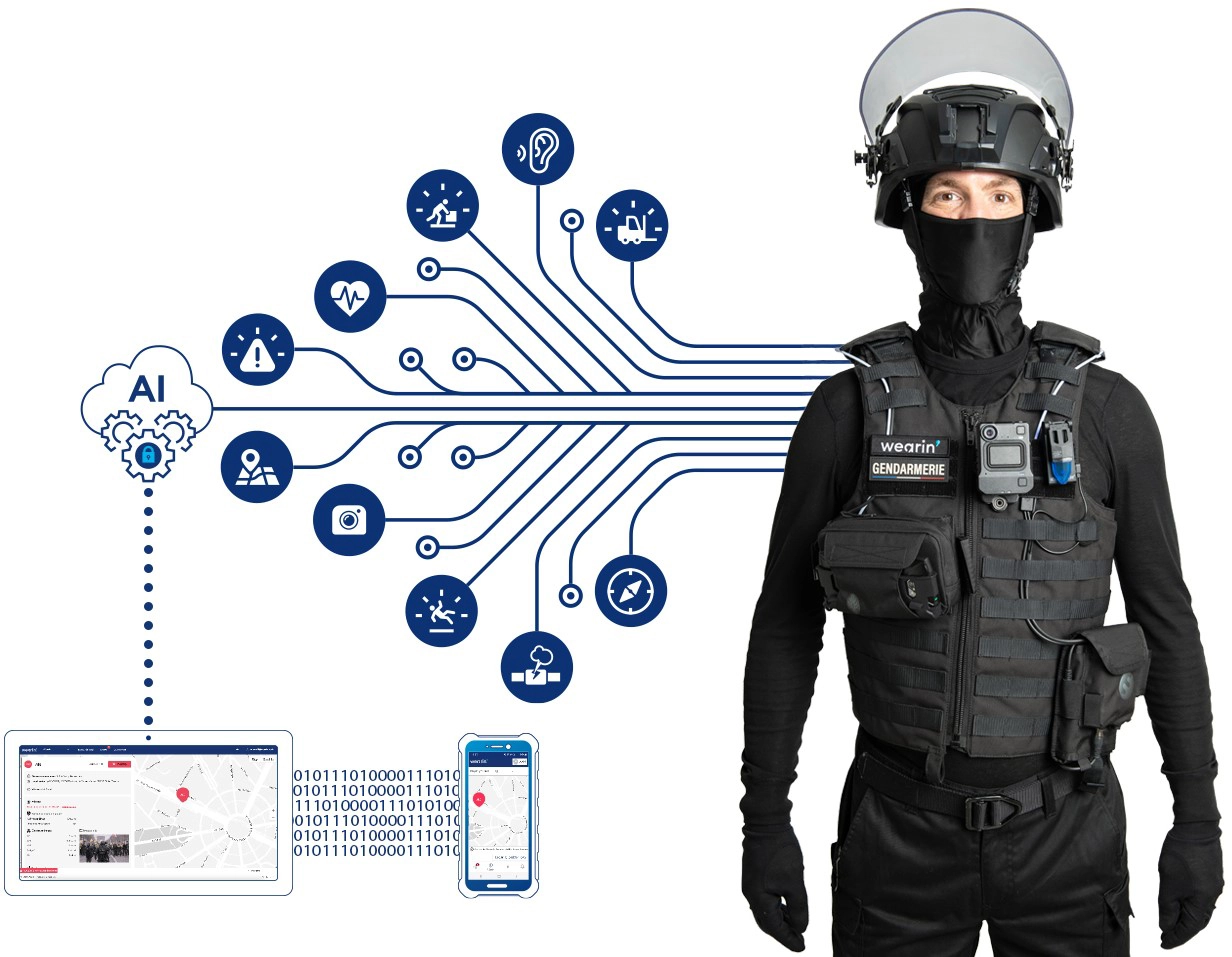 The prototype connected tactical vest co-developed by Wearin' and the DGGN
The Wearin’ Brain, the Wearin’ Battery and its quick-release system are integrated ergonomically into the vest via MOLLE fasteners and/or heavy-duty multifunctional pouches with no snagging areas. The kit also features luminous fibers integrated into the front and back of the vest offering personnel on night operations the option of enhanced visibility.
“The vest that we are co-developing with Wearin’ embeds the latest technologies in connectivity, detection, communication and visibility”, explains Lieutenant-Colonel Fabrice Blanc, director of the “connected vest” program at the DGGN. The IoT solution called Wearin’ X DGGN Smart Tactical Vest has been designed with an open, modular architecture that keeps the interoperability of current and future systems in focus. Over the course of the partnership, it will be able to evolve and adapt to meet the operational needs of law-enforcement agencies, which vary according to the different types of intervention by gendarmes, national or municipal police officers, or customs agents.
“It’s the field that commands in this type of applied innovation,” confirms Jonathan Brossard, Director of Wearin’ and CEO of Conextivity Group. “Versatility, modularity and interoperability are at the heart of our R&D approach. The smart vest’s functionalities and performances will be tested by various units of the gendarmerie throughout 2024, with the aim of meeting their diverse needs in terms of safety, resilience and efficiency in the field. Our collaboration with the DGGN involves pooling our experience, skills and technologies to deliver a cutting-edge, open system that will evolve in line with the current and future requirements of agents’ multiple professions and missions.”
The IoT platform developed by Wearin’ can be delivered with a dashboard integrated into the command-center system to provide real-time information about the situation on the ground, via data from sensors, warning devices and communication systems worn by personnel on operations. Based on this precise intelligence of operations underway, transmitted in bidirectional streams, commanders can speed up tactical decision-making and improve the coordination of intervention units, as well as their response times.
Signed in November 2023, the innovation partnership between Wearin’ and the DGGN is supported by the French Ministry of the Armed Forces’ Defense Innovation Agency and the National Gendarmerie’s Transformation Department.
Officially unveiled at the Milipol show in Paris in November 2023, the connected tactical vest from Wearin’ and the DGGN will be showcased on the international stage at the World Police Summit in Dubai, March 5-7, 2024, on Wearin’ stand no. SS2 A32. The vest has also been shortlisted by the show’s jury to compete for the prestigious World Police Summit Awards in the Innovative Police Force category.