
August 13, 2026
The private security sector in France is going through a complex and, in a way, paradoxical period. On one hand, unprecedented demand, driven by a tense news climate and the multiplication of major events; on the other, a deep growth crisis threatening the survival of many companies.
Before uncovering the reasons that led a company like GITeS to equip its agents with Wearin’ solutions, it is worth looking at a few realities that shape the daily life of agency managers today.
The job has changed profoundly. Yesterday’s “security guard” has given way to the Prevention and Security Agent (APS), a trained professional who is over‑stretched and regularly exposed to risky situations. For these agents, tension is palpable: rising aggression, more frequent physical risks, and interventions in potentially hostile contexts. Another major danger, rarely brought to light, is isolation. In many industrial sites, parking lots, residential areas, or sensitive urban zones, agents often work alone, sometimes far from any immediate support.
Lone Worker Protection (LWP) is no longer just a regulatory requirement; it has become a vital issue for the profession.
However, traditional resources are showing their limits. Two-way radio, a central tool for decades, no longer offers the necessary guarantees: dead zones, the inability to transmit a precise alert, and a lack of reliable geolocation in the event of distress.
The result: agents feel vulnerable, sometimes helpless in the face of high-risk situations. Today, they demand and expect genuine recognition and technological protection equal to the challenges of the field.
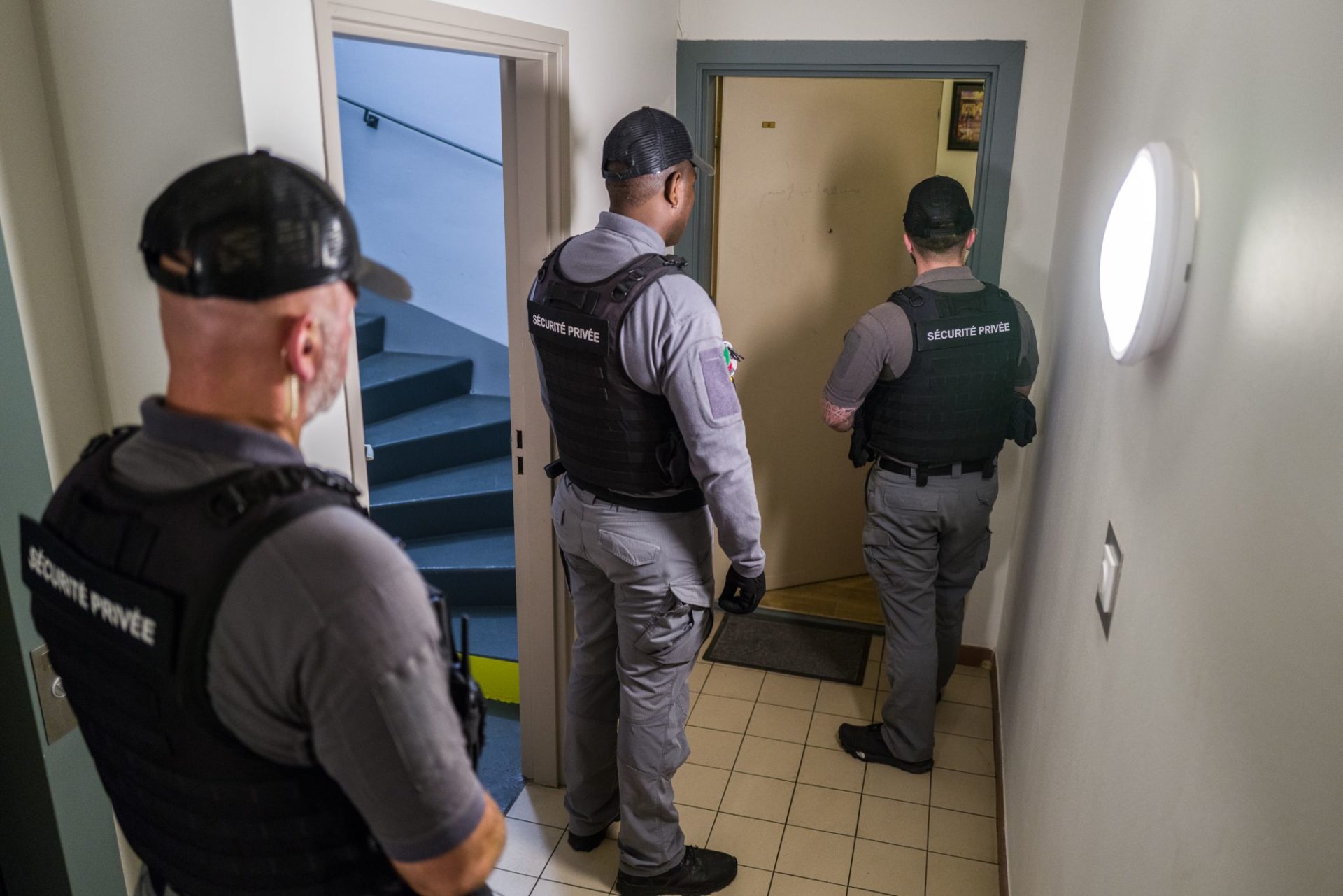 Created in 2018 in Toulouse, the initiative combines proximity patrols, prevention, and dialogue with tenants
The French private security market has long relied on a fragile economic model: tight margins, fierce competition on hourly rates, and tenders driven ever lower. Security companies often operate on a knife’s edge. Yet the expectations of clients have changed profoundly. They are no longer satisfied with the mere presence of an agent on site: they now demand tangible proof of service, measurable responsiveness, and detailed incident reports.
In this context, companies’ profitability can no longer depend solely on the number of agents deployed. The new lever lies elsewhere: operational optimization. How can doubt be cleared faster? How can each intervention be precisely documented? How can it be demonstrated — not merely promised — that the security provided has a real impact on the ground?
The answer lies in one word that has become central: data.
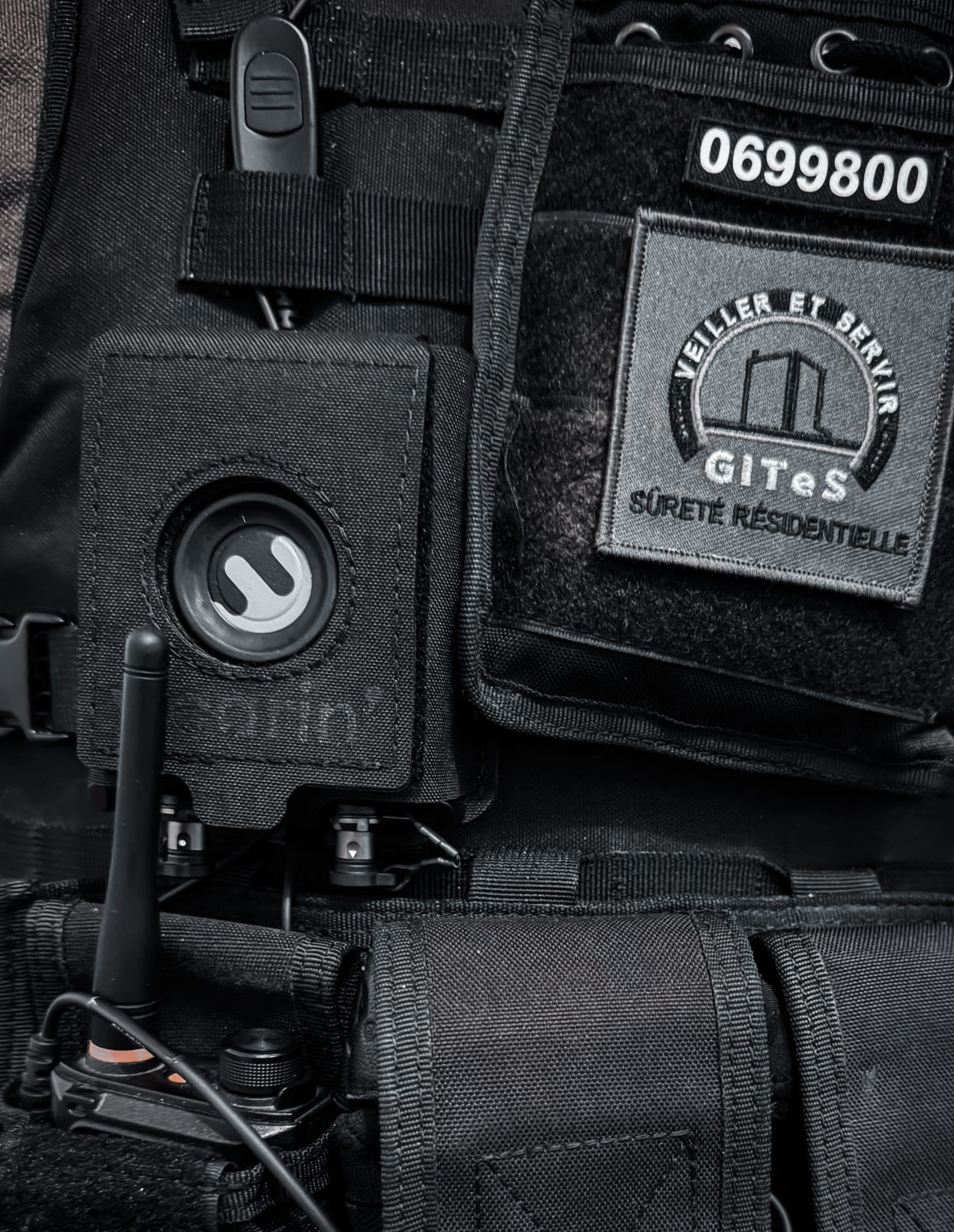 Wearin' provides a complete view of operations, real-time supervision, intelligent activity tracking, and full traceability of interventions
Data now serves as a currency of exchange between providers and clients. Thanks to it, a security company can showcase not just a presence, but expertise, performance, and the ability to anticipate and document risks. Data makes it possible to turn a service once seen as “standard” into a premium, measurable, and differentiated offering.
For a sector under pressure, this is a major shift: finally moving beyond the price war and into a logic of value.
With turnover‑ that can approach 60%, the private security sector faces a silent emergency: attracting and retaining its own agents. In a market where every staff member counts, recruitment has become the true battleground, even more so than winning new contracts.
On the political front, the profession is seeking to structure itself, gain credibility, and rise to the status of a trusted partner of public authorities, foremost among them the police and gendarmerie. Raising the profession’s standards is no longer a distant goal: it is a strategic necessity to meet the ambitions of the State as well as the expectations of local authorities.
To attract new recruits, especially younger ones, companies must now offer a modern working environment equipped with tools suited to the realities of the field. Equipping agents with cutting-edge technology is therefore no longer merely a technical or budgetary decision: it is a political and social signal. A clear message sent to those who ensure citizens’ daily safety: “We invest in you. Your safety matters as much as the safety you protect.”
In a sector marked by heavy strain and dwindling vocations, this promise becomes a decisive lever for loyalty. It helps restore value to an essential profession that remains too often invisible. And for companies, this may‑ well be where their future is decided: in their ability to turn employer branding into a genuine engine of stability and performance.
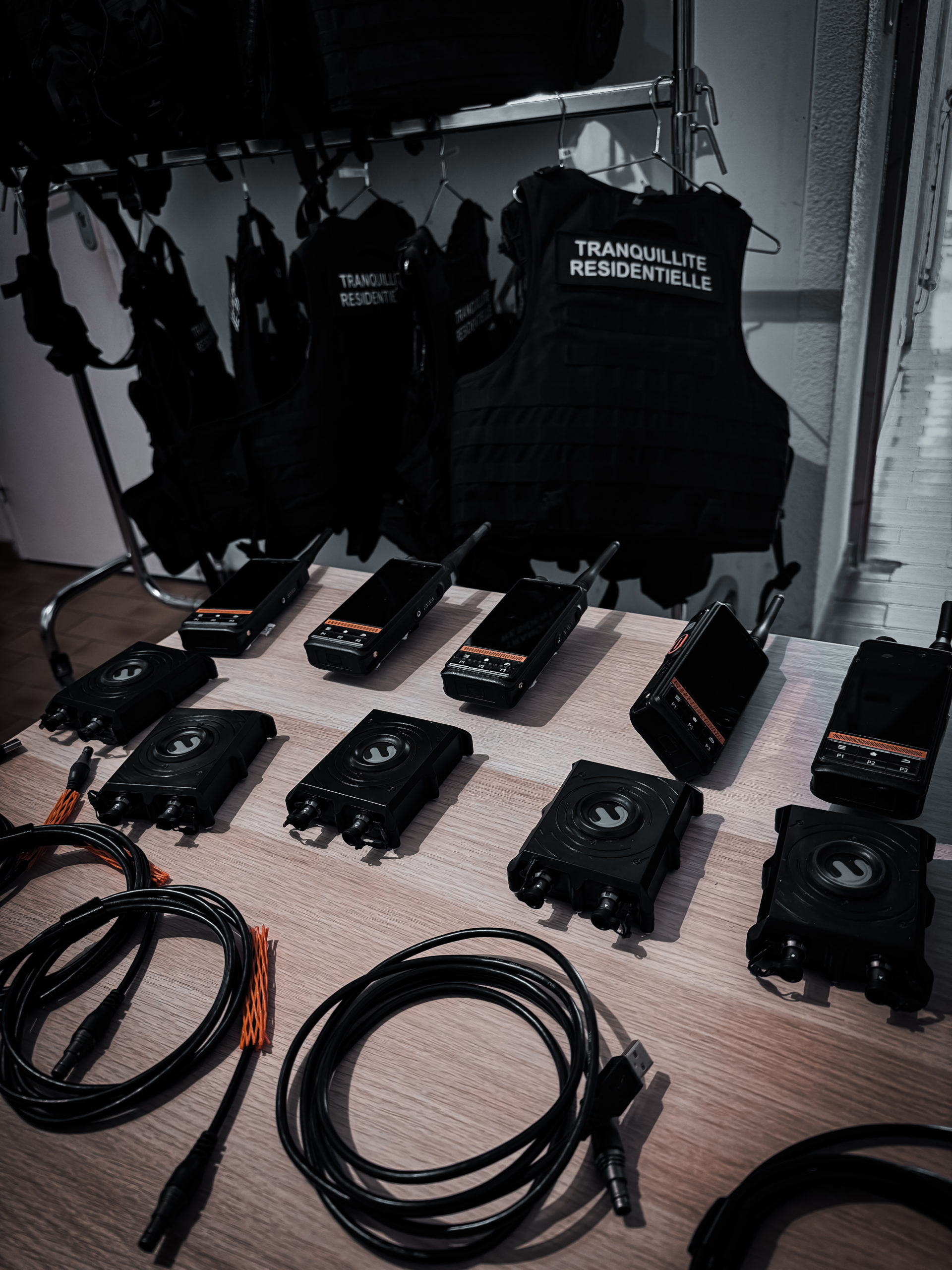 Innovative technology, adapted to the realities of the field, in the service of an essential private security mission
In Toulouse, the Groupement Interquartiers de Tranquillité et de Sûreté (GITeS) has established itself as a key player in residential security. Founded in 2018, the company addresses a concern widely voiced by social housing tenants: a sense of abandonment in the face of anti-social behavior and rising tensions in certain neighborhoods.
On the ground, GITeS agents operate in the areas most exposed to criminal activity, often linked to drug trafficking. Their visible and regular presence aims as much to prevent incidents as to restore a climate of trust between residents and social housing landlords. Because GITeS does not limit itself to surveillance: it is part of a community-based approach designed to improve quality of life on a daily basis.
Working closely with Toulouse-based housing providers, its teams cover the entire residential portfolio. This mission relies on strong local roots and a constant capacity to adapt. Every intervention, every patrol, every exchange with residents helps shape a renewed approach to residential tranquility.
Over the past year, GITeS has taken its mission a step further by adopting the Wearin’ ecosystem. A strategic partnership that brings modern tools to agents on the ground, along with technological support that strengthens security, transparency, and operational efficiency.
For Rémi Vincent, CEO of GITeS, this collaboration marks a turning point: it supports a commitment to continuous innovation and to rethinking intervention methods in order to better meet the needs of tenants and landlords. This momentum confirms GITeS’s central role in residential tranquility in Toulouse. In this interview, Rémi Vincent looks back at the benefits of this strategic partnership.
Source of blog introduction: Rapport de branche Prévention-Sécurité 2023 / Données de l’Observatoire des Métiers de la Sécurité Privée (OMPS).