
Worker safety is a major issue in France, where every day, more than 100 employees are seriously injured and two lose their lives due to their professional activities, according to the ministère du Travail et de l’Emploi. These figures highlight the importance of transforming risk prevention and management practices. While the challenges are numerous, emerging technologies offer an innovative approach to addressing these issues.
There is no denying that artificial intelligence (AI) has profoundly transformed our society in recent years, bringing major advances in many sectors through the rapid analysis of big data.
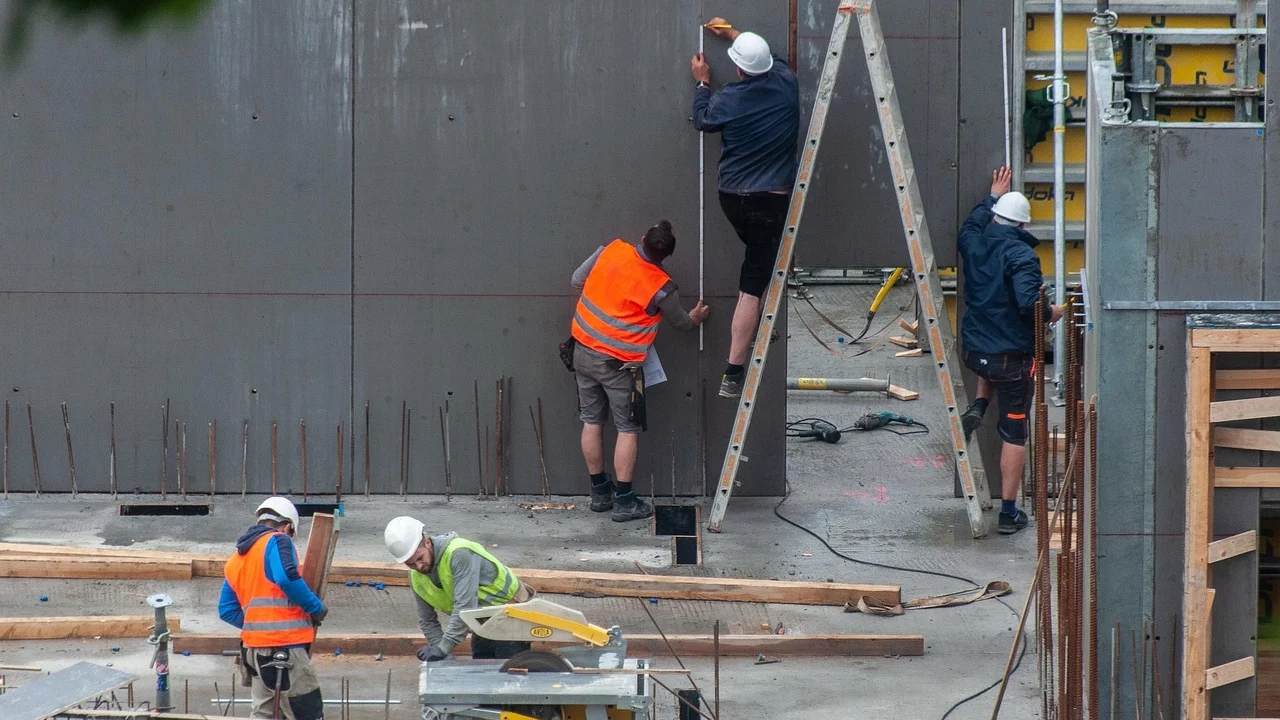 Construction is one of the most demanding and high-risk sectors
AI is as fascinating as it is worrying. Many people are sounding the alarm, highlighting the risks and dangers it poses, particularly for the job market, IT security, privacy, and many other areas. Beyond the heated debates between technophiles and technophobes, it is essential to put in place effective and appropriate regulations to enable companies to take full advantage of the promise of these new technologies, while avoiding abuses.
In this article, which draws in particular on the ILO’s 2025 report « Révolutionner la santé et la sécurité : le rôle de l’IA et de la numérisation au travail », we discuss how connected solutions and artificial intelligence (AI) are helping to improve risk management in occupational safety.
In 2023, France recorded 1,287 deaths related to workplace accidents, an increase from the previous year. These statistics include accidents on site, commuting accidents, and occupational illnesses. Among the most affected sectors are construction, where falls from height remain the leading cause of fatal accidents, as well as the chemical industry and rail transport, where exposure to toxic substances or hostile environments poses a major risk.
Article L4121-1 of the Labor Code requires employers to take all necessary measures to protect the physical and mental health of workers. However, despite this clear legal framework, implementation remains uneven. Labor inspectors struggle to carry out regular checks, particularly in high-risk sectors such as construction.
The ILO’s 2025 report highlights how AI and digitization are transforming occupational health and safety worldwide. Automation, smart monitoring systems, and connected tools can, for example, reduce hazardous exposures, prevent injuries, and improve working conditions in general. In addition, the INRS (French National Research and Safety Institute) emphasizes that AI can play a key role in the early identification of hazards and the improvement of preventive diagnostics.
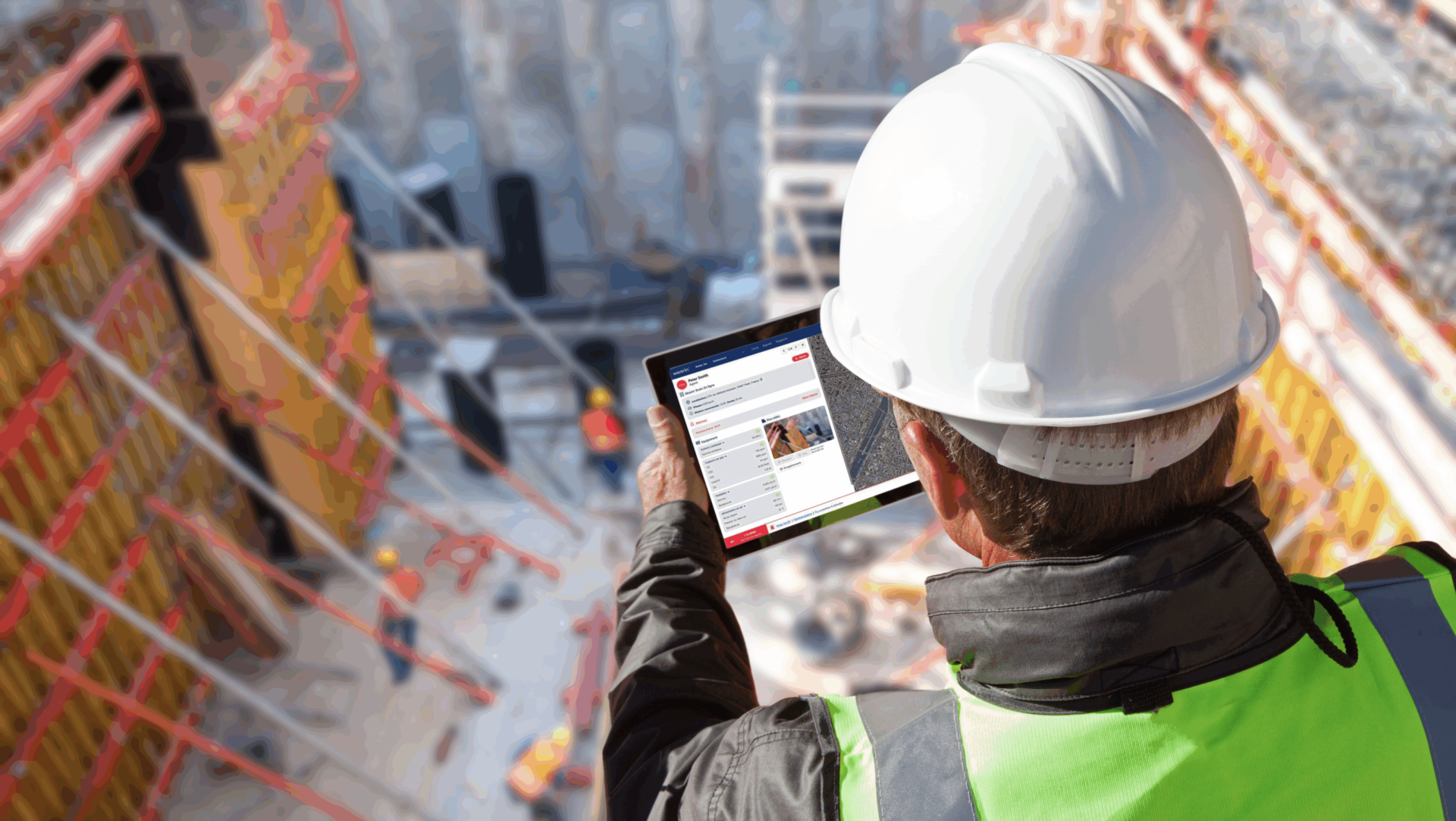 Real-time data analysis from connected sensors to improve workplace safety
Through real-time analysis of data collected by connected sensors, AI can identify imminent dangers before they occur. For example, it can detect an abnormal drop in a worker’s heart rate or excessive exposure to extreme temperatures. These capabilities enable QHSE managers to intervene quickly to prevent accidents.
Automated systems and smart sensors now detect hazards such as gas leaks, worker fatigue, or unsafe use of equipment much faster than traditional inspections. This enables rapid intervention and can save lives.
Virtual reality (VR) and extended reality (XR) enable immersive safety exercises to be organized, particularly in high-risk sectors such as construction or heavy industry, without exposing workers to real dangers.
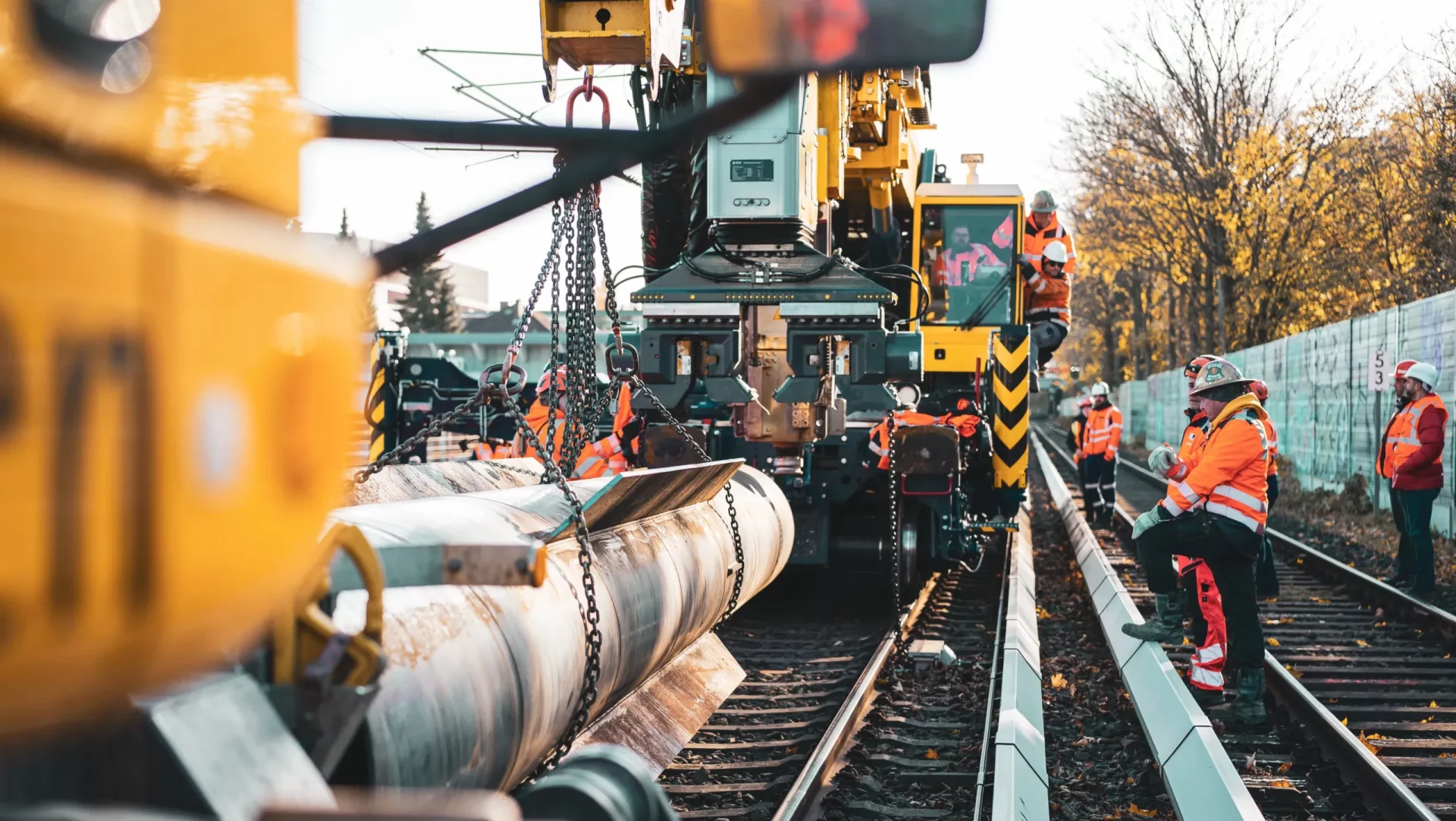 Wearin’ sensors support safety monitoring during railway maintenance operations
Virtual reality (VR) and extended reality (XR) enable immersive safety exercises to be organized, particularly in high-risk sectors such as construction or heavy industry, without exposing workers to real dangers.
Machine learning algorithms enable companies to incorporate lessons learned from past incidents to refine their safety protocols. This approach promotes a proactive culture where prevention becomes central.
AI also makes it possible to personalize schedules, ensure fair distribution of tasks, and detect risks of work overload early on, thereby helping to prevent psychosocial disorders.
However, the ILO report emphasizes that these advances also bring their share of challenges:
The ILO therefore emphasizes the need for proactive policies, appropriate regulation, and active worker participation to ensure a human-centered digital transition.
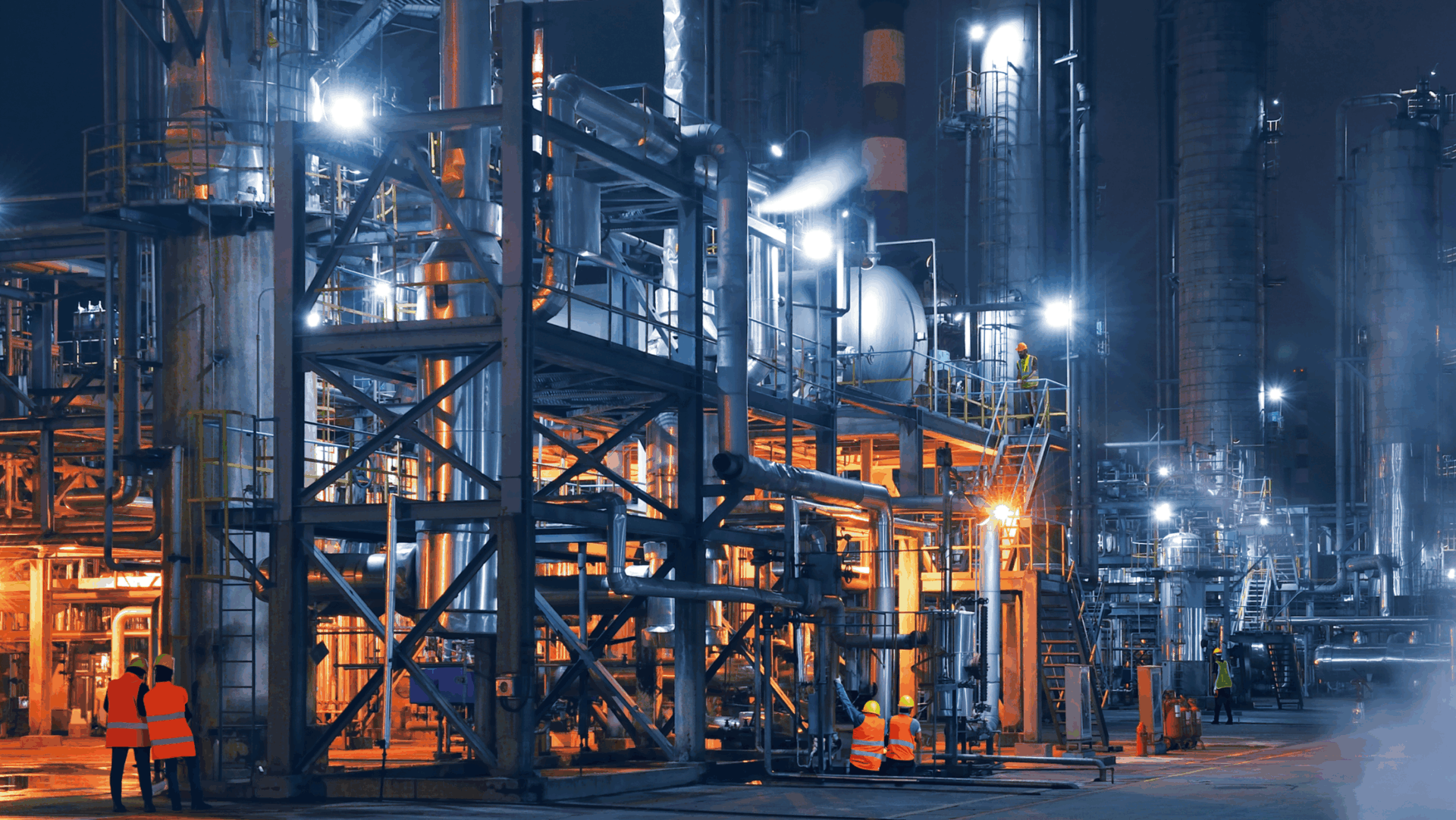 High-risk industrial environments require constant monitoring and vigilance
While these connected technologies and AI offer undeniable advantages, their adoption requires a thoughtful approach:
The ILO report also recommends strengthening existing regulatory frameworks (Conventions 155 and 187), adapting legislation to better regulate AI, algorithmic management, and human-robot interaction, and guaranteeing the right to disconnect.
At Wearin’, we are developing a smart IoT platform that addresses the main challenges French companies face in protecting their workers. Designed to be integrated into various industrial sectors, our solution combines wearable sensors, advanced algorithms, and an intuitive interface to provide complete real-time visibility.
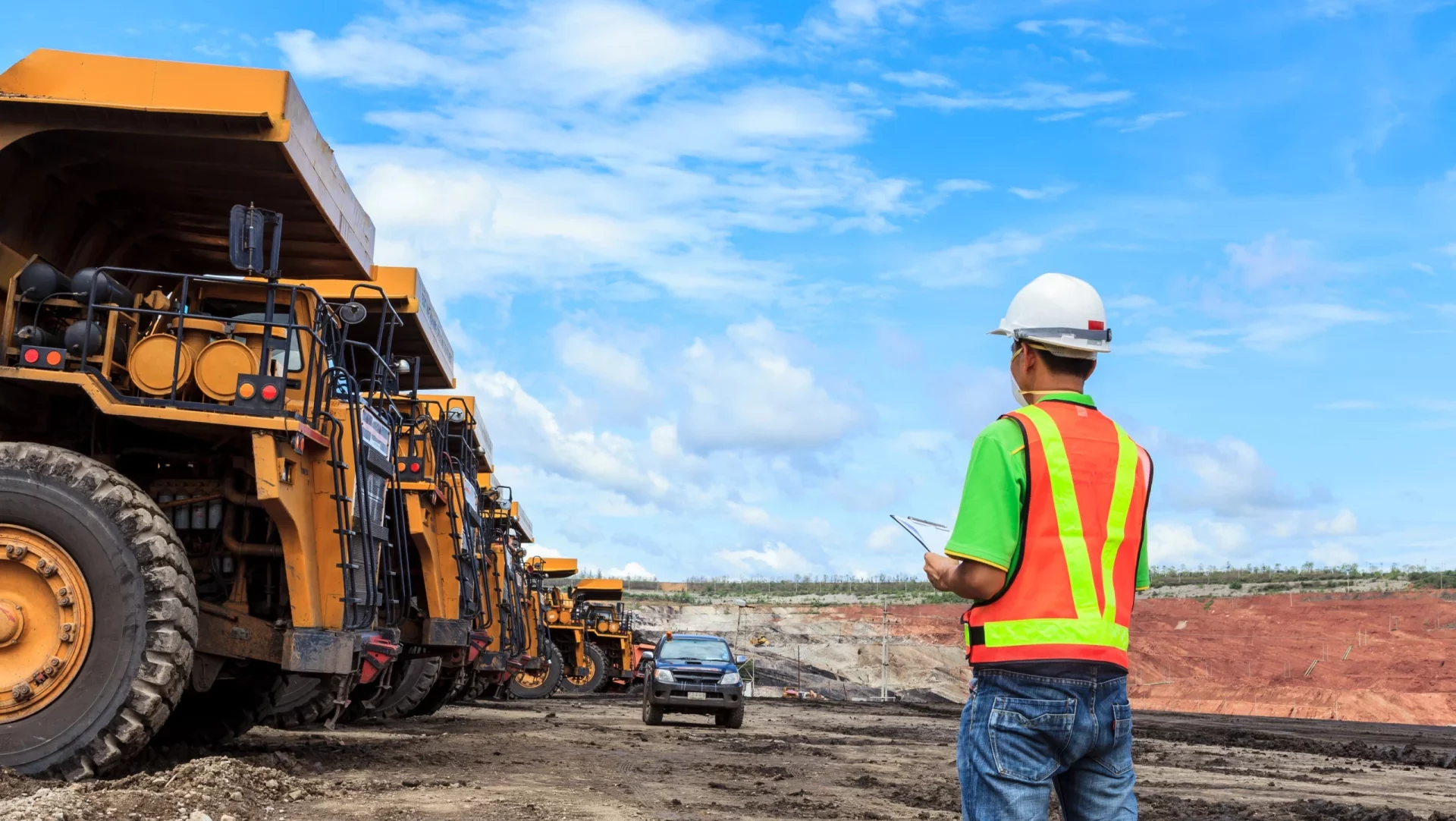 Heavy machinery operations increase risk and require strict safety controls
Thanks to the artificial intelligence integrated into our platform, Wearin’ anticipates not only immediate dangers but also future risks to workers’ health. For example:
In France, as elsewhere, the combination of artificial intelligence and connected solutions represents a major advance in proactive workplace safety management. By offering QHSE managers complete visibility over their operations while enabling rapid and informed decision-making, Wearin’ is fully in line with this dynamic, in accordance with the ILO’s international recommendations for a human-centered digital transition.
As we move toward a future where technology and safety converge, the adoption of these innovations by companies to protect their teams while enhancing operational performance represents a real opportunity. At Wearin’, we are proud to support our customers in this crucial transformation.